Case Studies
All the customer sucess stories and case studies

Explore how Equate Group transforms businesses across diverse industries. From seamless IT infrastructure and advanced cybersecurity to cloud optimisation, managed services, and compliance excellence, our tailored solutions empower organisations to achieve their goals.

Whether it’s modernising legacy systems, securing critical data, or enabling business continuity, our expertise ensures measurable success.

Dive into our case studies and see how we deliver value, drive innovation, and build lasting partnerships.

Case Studies

Connectivity & Communications for an Events Company

One late delivery can wreck an event. One crackly call can lose a booking. One slow upload can turn a calm morning into a fire drill. Does your internet ever feel like the weakest link in your whole operation, even though your team works flat out? If you are searching

Read More »
Case Studies

Securing EnnVee Financial Consultants Limited: Meeting Modern Cybersecurity Standards

Cybersecurity isn’t just a technical need; it’s a cornerstone of trust and operational excellence. For Ennvee Financial Consultants Limited, a trusted financial advisory firm, ensuring data security and regulatory compliance is paramount. Under the leadership of Manny Singh Virdee, Director, Ennvee successfully achieved Cyber Essentials (CE) and Cyber Essentials Plus

Read More »
Case Studies

Project Spotlight – Modernising IT in a Listed Georgian Manor House

At Equate, we’re no strangers to unique challenges, and our recent work in a Grade II listed Georgian Manor House showcases how modern technology can blend seamlessly with historic charm. The Challenge The property, with its rich history and period features, required a delicate approach to modernising its IT infrastructure.

Read More »

When it happens, you feel powerless. You get an email or letter from a business saying someone breached your data. It happens all too often today.

Data breaches happen at banks, online sites like Facebook, and ecommerce stores. Not only that, but governments are also victims. This leaves things like your address, SSN, and credit card details exposed to thieves. 

A business getting hacked is something you have little control over. But you can take important steps afterwards. We’ve outlined the most important things to do below. These steps can help you mitigate the financial losses.

Change Your Passwords

The very first thing you should do is change your passwords. Change the password for the service that sent you the breach notification first. Then, change it for any logins using the same password. 

This is one of the reasons it’s a best practice to use unique logins for every site. Many people get in the habit of using the same password in several places. This leaves more than the single breached login at risk. Use a password manager to help you create strong passwords. You only need to remember one to access all the others.

Enable Multifactor Authentication (MFA)

Multifactor authentication can keep accounts secure, even if a hacker stole the password. Enable it for the breached service. Then, ensure you have MFA activated for all other logins, where possible. MFA is also called two-factor authentication or two-step verification.

Common forms of MFA are:

  • Text message
  • Authentication app
  • Security key

Check Your Bank Accounts

If payment card details were breached, check bank accounts. You’ll want to watch these for several weeks for fraudulent charges. Report the breach to your bank to have them issue you a new card, if needed.

Notify your bank about the 3rd party data breach. This can help keep you from being held responsible for fraudulent charges. It’s good to get out ahead of it. Your bank can then help you with appropriate steps to avoid fraud.

Freeze Your Credit

Online criminals will often sell breached personal details. These details can enable someone to take out credit in your name. Contact the three credit agencies. They each have ways to freeze your credit to protect you. You can do this right on their websites.

The three credit agencies are: 

Carefully Review the Breach Notification

It’s important to understand exactly how the data breach may impact you. Review the notice you received. Additionally, look for updates on the company website.

These are the things you should be looking for:

  • The type of data exposed (passwords, card numbers, etc.)
  • What reparations the company is making (e.g., credit monitoring)
  • Any instructions given to secure your account

Regularly check the company’s website. Often, they don’t immediately know how far reaching the breach is. You may check back later and find out other types of sensitive data were exposed.

Get Good Cybersecurity Protections

Make sure you protect your device and network. There are some simple tools you can use to beef up personal device security. These include:

  • A good antivirus/anti-malware program
  • DNS filtering to block malicious sites
  • Email spam filtering for phishing

Another good protection you can use is a VPN. This helps mask your traffic. It is especially helpful if you’re using a public Wi-Fi. VPNs are easy to use. You can use VPNs for both computers and mobile devices.

Be On the Lookout for Phishing Scams

Emails are often exposed in data breaches. This means you may receive an uptick in phishing emails. Phishing is very convincing since criminals have AI at their disposal. Phishing emails often are hard to spot from the real thing.

Stay ultra-aware of any unexpected emails. Follow best practices to avoid becoming a phishing victim:

  • Hover over links to see them
  • Go to websites directly. Don’t click email or SMS links
  • Beware of unknown senders
  • Watch for phishing on social media and text messages
  • When in doubt, double check through an official source

Make Sure to Update Software & Systems

Hackers often exploit unpatched vulnerabilities. How do you get unpatched vulnerabilities? Most times it’s from failing to keep software updated.

Make sure to update your device operating system. Update all apps or software on your devices. Update firmware for routers and printers. Update firmware for smart devices. 

There are so many updates we need to do with our electronics. Automating your updates is a good way to stay protected.

Managed Security Services You Can Count On

Managed services can keep you protected at work and home. Need help improving device security? We’ll be happy to discuss our options.

Contact us today to schedule a chat about device security.

Featured Image Credit

This Article has been Republished with Permission from The Technology Press.

Estimated reading time: 4 minutes

Let’s start with an uncomfortable truth: cyber threats aren’t just a “tech problem.” They’re a business risk—one that deserves the same boardroom attention as financial, reputational, or operational risks. Yet, too often, small and medium businesses assume cybersecurity is an IT responsibility they cannot address. However, this approach leaves critical risks unaddressed. This mindset leaves critical risks unaddressed. It’s time to change that narrative.

If you’re sitting on a board and think this doesn’t apply to you, think again. Cyber attacks are more than a technical inconvenience—they’re serious threats that can disrupt businesses, harm reputations, and drive customers away. From ransomware attacks paralysing operations to data breaches sparking regulatory fines, the risks are everywhere.

The Stakes Are High—And Rising

The statistics show a troubling trend for UK businesses. Furthermore, these reports highlight clear financial and reputational risks. The UK Government’s Cyber Security Breaches Survey 2024 presents new findings. Over 39% of UK businesses reported a cyber attack last year. The average cost of a breach for UK firms exceeded £19,000. These figures only hint at the reputational damage, downtime, customer loss, and legal consequences that follow.

This reflects the reality of modern business. As a result, cyber threats demand immediate and strategic attention. Cybersecurity should be treated as a critical business risk, alongside supply chain interruptions, compliance obligations, and economic uncertainty. The question isn’t “if” but “when” an attack will happen.

Cyber Risk Management: A Boardroom Mandate

Cybersecurity as a business risk needs leadership from the top. Owners and leaders of small businesses must take charge, using a proactive and practical approach to security. This means:

  • Regularly reviewing cyber risks as part of broader risk management processes.
  • Assigning accountability for cybersecurity at the board level is crucial. One way is appointing a non-executive director with cybersecurity skills. Alternatively, you can make use of Equate Group’s vCIO / vCISO service.
  • Demanding clear metrics from the IT and security teams to measure your organisation’s cyber resilience.

But it doesn’t end there. Managing cyber risk isn’t something you can do in isolation. Board-level decisions directly affect the security standards adopted by your suppliers. Your business is only as secure as its supply chain.

Collaboration with Your Supply Chain

Think of your supply chain as an extension of your organisation. Third-party suppliers often have access to sensitive data or systems, making them potential weak links. High-profile UK breaches show the impact of supply chain vulnerabilities on businesses. Examples include the 2023 Clarks cyber attack and the Carpet right ransomware incident. While Clarks managed to recover, Carpet right faced devastating operational disruption, highlighting worst-case outcomes when SMBs are unprepared. The attack on Clarks caused operational delays, highlighting the real risks SMBs face when external suppliers are compromised. Clarks’ attack highlighted the operational and reputational risks SMBs face when their supply chains are targeted.

What can boards do?

  • Mandate supplier certifications: Need vendors to meet recognised standards like Cyber Essentials or ISO 27001. These certifications offer assurance that critical security controls are in place and align with UK-specific standards.
  • Include cybersecurity in contracts: Clearly state that suppliers must keep a baseline level of security. They should report incidents promptly.
  • Audit and review suppliers: Treat your supply chain as part of your risk landscape. Periodically review supplier security practices to guarantee compliance.

Shifting the Culture

For SMBs, making cybersecurity a leadership priority requires a cultural shift and a hands-on approach. Boards must treat cybersecurity as a business enabler, not a cost centre. When customers see their data is secure and systems are reliable, their trust grows. As a result, this trust can set you apart from competitors.

Are your suppliers certified? Is your organisation protected? Equate Group can help you take control of your cybersecurity with our comprehensive services, including Cyber Essentials certification and beyond. With us, you’ll have the tools and guidance to secure your organisation and your supply chain.

Discover Cyber Essentials with Equate Group. Contact us today to learn how we can tailor a solution for your business.

Final Thoughts

Cybersecurity is no longer optional. It’s not just the responsibility of your IT team. It is not only up to your Chief Information Security Officer. It’s a strategic priority for your business.

The risks are real, but the solutions are within reach. Embed cybersecurity into your boardroom agenda. Foster collaboration with your supply chain. By doing so, you can mitigate threats and protect your organisations future.

In today’s world, the focus is not just on surviving the next attack. It’s also about thriving in a secure, resilient, and trusted way.

Citations

  1. UK Government Cyber Security Breaches Survey 2024
    Department for Digital, Culture, Media and Sport.
    Download the report.
  2. Cyber Essentials Scheme Overview
    National Cyber Security Centre (NCSC).
    Visit the Cyber Essentials page.
  3. Carpetright and Clarks Cyberattack Case Studies
    UK News Reports, 2023.
    Read the case studies.

The world has gone digital. We see it everywhere people shop for goods and services. Cash, check, or debit used to be the norm. Now, there are payment wallets that people expect businesses to accept. They include things like Apple Pay, Google Pay, PayPal and more.

Small businesses need to keep pace with these new methods of payment. It’s essential to adapt to stay competitive. You can easily lose business if people can’t pay the way they like.

As a trusted managed IT service provider, we’re here to help. Many of our clients are navigating this shift to cashless wallets. We’ll help you find solutions to ensure your business thrives in the cashless era.

Why Go Cashless?

It’s not just about convenience; it’s about meeting customer expectations. People want fast, easy, and secure payment options. The pandemic accelerated this trend. Now, consumers expect businesses to offer digital payments in several forms.

Here’s why going cashless is crucial:

  • Customer convenience: Offer your customers the payment methods they prefer. People want to tap and go with their favorite digital wallet.
  • Faster transactions: Reduce wait times and improve the shopping experience. You can reduce long lines. This helps you attract more customers.
  • Enhanced security: Cut the risks associated with handling cash. Employee theft can be mitigated. There is also less cash handling at the end of the shift. This leads to a safer environment.

Forty-six percent of US respondents have used a form of contactless payment in the last 7 days. That number is 80% for the UK and 69% for Australia.

Benefits of Cashless Payments

Going cashless isn’t just about adapting; it offers real advantages. These advantages can mean more business for you. This factor helps pay for any expense to set up cashless systems.

  1. Improved Customer Experience: Make it easier for your customers to pay. They’ll come back for more. You stand out to them as flexible. You also make their life easier if they can pay how they like.
  2. Fewer Cashiers Needed: Moving lines faster can mean you need fewer checkouts. You can reduce staffing demands by embracing self-check-out as well.
  3. Open New Payment Avenues: Open up app purchasing capabilities. Customers can pay before they even walk in the door. You reduce the burden on your team. When things are handled digitally, you lower needed administrative tasks.

Key Steps to Go Cashless

Ready to make the switch to a more cashless business? Want to embrace new forms of digital payments? Here’s a step-by-step guide to help you get started.

Step 1: Choose the Right Payment Solutions

Select payment methods that align with your customers’ preferences. Do your research by sending customers a survey. Start with the three most popular methods. You can then branch out from there.

Make sure to check transaction fees. You want to keep those in mind as you add new payment options. You may need to upcharge for a certain payment service. Or you may find a wallet is cheaper for you to take than a traditional card.

Step 2: Educate Your Customers

Let customers know about your new cashless options. Offer incentives to encourage adoption. Get the word out over social media and through any mailing lists you have. Do this regularly and often. People’s attention spans are short these days. 

Keep a payment options post in your social media rotation. Also, include acceptable payment options on invoices. You may attract new business as word spreads among friends and family.

Step 3: Strengthen Security Measures

Protect your business and customers from fraud with robust security measures. Make sure your point-of-sale devices are on a secure network. Use strong passwords and MFA to protect system logins.

Step 4: Watch Transactions and Customer Trends

 A nice thing about cashless systems is that they generate helpful data. Analyze data to optimize your payment processes and identify opportunities. You can gain detailed insights into things like:

  • What payment methods are most popular
  • The services and products make you the most money
  • The most popular times of day for customer traffic

Step 5. Plan for the Future

Stay updated on payment trends and be prepared to adapt as needed. Add new ones that seem to be picking up steam. Continue to survey customers on their favorite payment options. You can often get your best ideas from customer feedback. 

Need Some Help Embracing Digital Payment Systems?

The cashless revolution is here. It’s time for small businesses to embrace it. By adopting digital payments, you can enhance your customer experience as well as improve efficiency and reduce costs. 

As your trusted IT partner, we’re here to support you every step of the way. Let’s make the transition to cashless payments a seamless one for your business.

Reach out by phone or email to schedule a chat today.

Featured Image Credit

This Article has been Republished with Permission from The Technology Press.

There are many types of malware. One of the most common is called “malvertising.” It crops up everywhere. Including social media sites and websites. You can also see these malicious ads on Google searches.

Two things are making malvertising even more dangerous. One is that hackers use AI to make it very believable. The other is that it’s on the rise, according to Malwarebytes. In the fall of 2023, malvertising increased by 42% (month over month).

It’s important to inform yourself about this online threat. Knowledge is the power to protect yourself. Especially when it comes to malicious cybercriminals. Below, we’ll help you understand malvertising. We’ll also give you tips on identifying and avoiding it.

What Is “Malvertising?”

Malvertising is the use of online ads for malicious activities. One example is when the PlayStation 5 was first released. It was very hard to get, which created the perfect environment for hackers. Several malicious ads cropped up on Google searches. The ads made it look like someone was going to an official site. But instead, they went to copycat sites. Criminals design these sites to steal user credentials and credit card details.

Google attempts to police its ads. But hackers can often have their ads running for hours or days before they’re caught. These ads appear just as any other sponsored search ad on Google.

Google is not the only site where malvertising appears. It can appear on well-known sites that have been hacked. It can also appear on social media feeds.

Tips for Protecting Yourself from Malicious Online Ads

Review URLs Carefully

You might see a slight misspelling in an online ad’s URL. Just like phishing, malvertising often relies on copycat websites. Carefully review any links for things that look off.

Visit Websites Directly

A foolproof way to protect yourself is not to click any ads. Instead, go to the brand’s website directly. If they truly are having a “big sale,” you should see it there. This tip is useful for all types of phishing. Just don’t click those links and go to the source directly.

Use a DNS Filter

A DNS filter protects you from mistaken clicks. It will redirect your browser to a warning page if it detects danger. DNS filters look for warning signs. They, then block dangerous sites. This can keep you safe even if you accidentally click a malvertising link.

Do Not Log in After Clicking an Ad

Malvertising will often land you on a copycat site. The login page may look identical to the real thing. One of the things phishers are trying to steal is login credentials. They can get big money for logins to sites like Netflix, banks, and more.

If you click an ad, do not input your login credentials on the site. Even if the site looks legitimate. Go to the brand’s site in a different browser tab.

Don’t Call Ad Phone Numbers

Phishing can also happen offline. Some malicious ads include phone numbers to call. Unsuspecting victims may not realize fake representatives are part of these scams. Seniors are often targeted with malvertising scams. They call and reveal personal information to the person on the other end of the line.

Just say no to calling numbers in online ads. If you find yourself on a call, do not reveal any personal data. Just hang up. Remember, this is an elaborate scam. These people prey on triggers like fear. They also work to gain your trust.

Don’t Download from Ads

“Get a free copy of MS Word” or “Get a Free PC Cleaner.” These are common malvertising scams. They try to entice you into clicking a download link. It’s often for a popular program or freebie. The link actually injects your system with malware. The hacker can then do further damage.

Never click to download anything from an online ad. If you see an ad with a direct download link, it’s often a scam.

Warn Others When You See Malvertising

If you see a suspicious ad, warn others. This helps keep your colleagues, friends, and family more secure. If you’re unsure, try a Google search on the ad. You’ll often run across scam alerts confirming your suspicion. 

It’s important to be smart and arm yourself with knowledge. You can then share this with others. Foster this type of cyber-aware community. It helps everyone ensure better online security as well as get alerted of new scams cropping up.

Improve Your Online Security Today

Is your device up to date with security patches? Do you have a good anti-malware solution? Is DNS filtering installed to block dangerous websites?

If you’re not sure of any of those questions, contact us. Our cybersecurity experts are here. We’ll help you find affordable solutions to secure your online world.

Give us a call or email to schedule a chat about online security.

Featured Image Credit

This Article has been Republished with Permission from The Technology Press.

Today’s businesses are no stranger to the word cybersecurity. They are facing a growing wave of cyberattacks. These come from ransomware to sophisticated phishing schemes. How do you stand ahead of these threats? A strong cybersecurity strategy is essential. One crucial component of this strategy is event logging. It’s one that not every business owner is aware of.

Think of event logging as a digital detective. What does tracking activities and events across your IT systems do? It helps you spot potential security breaches and respond swiftly. As your managed IT service provider, we’re committed to helping you. We can help you understand the importance of event logging as well as how to put in place best practices to safeguard your network.

What Is Event Logging?

Event logging is the act of tracking all events that happen within your IT systems. “Event” can be many different things, such as:

  • Login attempts
  • File access
  • Software installs
  • Network traffic
  • Denial of access
  • System changes
  • And many others

Event logging means to track all these and add a time stamp. This provides a robust picture of what is going on in your IT ecosystem. It’s through that ongoing picture that you can detect and respond to threats promptly.

Why is it critical to track and log all these events?

  • Detect suspicious activity by monitoring user behavior and system events.
  • Respond quickly to incidents by providing a clear record of what happened in a breach.
  • Meet regulations that require businesses to maintain accurate records of system activities.

Best Practices to Use Event Logging Effectively

Event logging is most effective when you follow best practices. Here are some standard guidelines to follow. These are helpful if you’re just starting out as well as for those improving existing event-logging processes.

Log What Matters Most

Let’s be honest: You don’t need to track every digital footstep.  Logging every single action on your network can create a mountain of data that’s hard to sift through. Instead, focus on the events that truly matter. These are those that can reveal security breaches and compliance risks.

The most important things to log are:

  • Logins and Logouts: Keep tabs on who’s accessing your systems and when. This includes failed attempts, password changes, and new user accounts.
  • Accessing Sensitive Data: Track who’s peeking at your most valuable information. Logging file and database access helps spot unauthorized snooping.
  • System Changes: Keep a record of any changes to your system. Including software installations, configuration tweaks, and system updates. This helps you stay on top of changes and identify potential backdoors.

Event logging is much more manageable when you start with the most critical areas. This also makes it easier for small businesses.

Centralize Your Logs

Imagine trying to solve a puzzle with pieces scattered across different rooms. It’s chaos! That is what happens when you try to work with several logs for different devices and systems. Centralizing your logs is a game-changer. A Security Information and Event Management (SIEM) gathers logs in one place. This includes those from various devices, servers, and applications.

This makes it easier to:

  • Spot patterns: Connect the dots between suspicious activities across different systems.
  • Respond faster: Have all the evidence you need at your fingertips. This is helpful when an incident strikes.
  • Get a complete picture: See your network as a whole. This makes it easier to identify vulnerabilities.

Ensure Logs Are Tamper-Proof

It’s important to protect your event logs! Attackers love to cover their tracks by deleting or altering logs. That’s why it’s vital to make your logs tamper-proof.

Here are some tips:

  • Encrypt your logs: Lock them down with encryption. This makes them unreadable to unauthorized eyes.
  • Use WORM storage: Once a log is written, it’s locked in place, preventing changes or deletions.
  • Use strong access controls: Limit who can see and change your logs to trusted personnel only.

Tamper-proof logs provide an accurate record of events even if a breach occurs. They also keep the bad guys from seeing all your system activity tracking.

Establish Log Retention Policies

Keeping logs forever isn’t practical (or always necessary). But deleting them too soon can be risky, too. That’s why you need clear log retention policies. 

Here are some things to consider:

  • Compliance requirements: Some industries have specific rules about how long to keep logs.
  • Business needs: How long do you need logs to investigate incidents or for auditing?
  • Storage capacity: Make sure your log retention policy doesn’t overwhelm your storage.

Strike the right balance with retention. You want to ensure you have the data you need without sacrificing performance.

Check Logs Regularly

Event logging is only as good as your ability to use it. Don’t “set and forget” your logs. You should check them regularly. This helps you spot anomalies and identify suspicious patterns. It also helps you respond to threats before they cause serious damage. Use security software to help automate this process.

Here’s how to do it effectively:

  • Set up automated alerts: Get notified immediately of critical events. Such as failed logins or unauthorized access.
  • Perform periodic reviews: Dive into your logs regularly. Look for patterns that might show a threat.
  • Correlate events: Use your SIEM to connect the dots between different activities. It can reveal more complex attacks.

Need Help with Event Logging Solutions?

As a trusted managed IT service provider, we’re here to support you. We can help you install these practices and ensure your business stays protected.

Give us a call or email to schedule a chat.

Featured Image Credit

This Article has been Republished with Permission from The Technology Press.

For small businesses, laptops are essential tools—enabling remote work, video calls, and daily operations. But what happens when that trusted webcam becomes a tool for hackers? Cybercriminals are increasingly targeting webcams, exploiting them to spy, steal sensitive information, and even extort businesses.

In the UK, where small businesses make up 99% of all organisations, these risks can’t be ignored. A single breach lead to reputational damage, legal consequences, or financial losses.

Let’s explore how webcam hacking happens. We will examine why it is a threat to small businesses. Also, what you can do to protect your organisation.

How Do Hackers Target Small Business Webcams?

Hackers use various techniques to compromise webcams, preying on weak security measures and employee mistakes:

  1. Malware and Phishing Attacks: Malware is often delivered through phishing emails. It can install Remote Access Trojans (RATs). These Trojans give hackers full control of a webcam.
  2. Unpatched Software: Webcams with outdated drivers or firmware are easy targets, providing hackers with an open door to your systems.
  3. Compromised Browsers: Vulnerabilities in web browsers can allow unauthorised access to webcams, especially if permissions aren’t properly managed.
  4. Default Passwords: External webcams or other connected devices often ship with weak default passwords, making them prime targets for hackers.

The Risks for UK Small Businesses

The risks of a compromised webcam extend far beyond an invasion of privacy. For businesses, these hacks can lead to:

  • Data Breaches: Hackers can capture confidential client data or sensitive company information.
  • Reputational Damage: A breach involving sensitive footage or data can harm trust and credibility.
  • Extortion Attempts: Criminals use recorded footage to demand ransom payments.
  • Broader Network Attacks: A hacked device can serve as a gateway for attackers to infiltrate your entire network.

In a world where customer trust and GDPR compliance are paramount, these risks are simply too great to ignore.

Protecting Your Business from Webcam Hacks

Taking action now can prevent you from becoming the next victim. Follow these steps to safeguard your webcam:

1. Update Software and Drivers

Keep your operating system, drivers, and firmware up to date. Regular updates patch security vulnerabilities that hackers exploit.

2. Install Endpoint Protection

Deploy antivirus and endpoint protection software across all devices. These tools can detect and block malware before it compromises your systems.

3. Audit Permissions

Regularly review app and browser permissions for webcams. Revoke access for any app or service that doesn’t need it.

4. Implement Physical Safeguards

Encourage employees to use webcam covers or blockers when the camera isn’t in use.

5. Strengthen Password Security

Change default passwords on any external webcams or connected devices. Use strong, unique passwords, and consider enabling two-factor authentication.

6. Deliver Cybersecurity Awareness Training

Train employees to recognise phishing emails and avoid suspicious downloads, reducing the likelihood of malware infections.

7. Invest in Managed Cybersecurity Services

Partner with a provider like Equate to oversee and manage your cybersecurity. Proactive measures can stop threats before they escalate.

Why Small Businesses Are Vulnerable

Hackers often see small businesses as easy targets. Limited IT resources, outdated equipment, and less rigorous security policies create gaps that cybercriminals are eager to exploit.

At Equate, we specialise in helping UK small businesses build robust defences. Our solutions range from endpoint protection to Managed Detection and Response (MDR). They are designed to protect against modern threats like webcam hacking.

Take Control of Your Cybersecurity

Webcam hacking seems like a niche threat. But, for small businesses in the UK, it poses a risk that can lead to significant financial damage. It can also cause reputational damage. Protecting your webcams and other devices is a simple but essential step in securing your business.

At Equate, we help businesses like yours defend against cyber risks with tailored solutions. These solutions include endpoint security, managed IT services, and cybersecurity awareness training.

Don’t wait for a breach to take action. Contact us today to learn how we can protect your business from cyber threats.

Artificial Intelligence is no longer a technology reserved for companies with big budgets. Today, small businesses can access AI tools that help in several ways. Such as streamlining operations, improving customer experiences, and boosting profits. 

The rise of affordable AI solutions has opened the door for small businesses. They can leverage these powerful technologies without spending a fortune. This post will explore seven great examples of how to use AI to succeed in a competitive market.

1. Streamlining Customer Support with AI Chatbots

Small businesses often struggle with limited customer service resources. AI-powered chatbots provide a cost-effective solution. They automate responses to common customer inquiries. And can sound less robotic than non-AI chatbots.

Here are a couple of ways AI chatbots add value to small businesses.

Reducing Response Times

AI chatbots can handle several conversations at once. This significantly reduces customer wait times. Chatbots work 24/7, ensuring support is always available. This removes the burden on human agents. It also customers with quick answers to their questions.

Enhancing Customer Experience

AI chatbots are becoming more sophisticated. They can engage in natural, human-like conversations. Small businesses can offer high-quality service without increasing overhead costs.

2. Improving Marketing with AI-Powered Analytics

Marketing is crucial for small businesses but can be time-consuming and costly. AI-powered analytics tools help businesses make smarter decisions. They provide insights based on customer behavior, preferences, and trends.

Targeted Advertising

AI can analyze customer data to create highly targeted ad campaigns. They help ensure that businesses spend marketing budgets efficiently. This increases return on investment (ROI).

Predicting Customer Trends

AI uses predictive analytics to forecast future trends based on historical data. This enables small businesses to adjust their strategies in real time. With AI, companies can adapt quickly, maximizing their reach and impact.

3. Automating Routine Tasks with AI Tools

Small business owners often juggle many roles. This includes managing inventory and handling customer inquiries. AI can help by automating repetitive, time-consuming tasks.

Scheduling and Calendar Management

AI tools can automate scheduling. This includes client meetings, appointments, or team collaboration. You can integrate AI with email platforms and calendars. This saves time and reduces the risk of human error.

Invoice and Expense Management

Managing finances is another area where AI excels. AI-driven accounting tools can automate invoicing, track expenses, and more. This reduces the administrative burden on small business owners. It also ensures financial data is accurate and up-to-date.

4. Enhancing Inventory Management with AI Forecasting

Managing inventory is a critical aspect of running a small business. Overstocking can lead to increased costs. Understocking results in missed sales opportunities. AI can help balance inventory levels by accurately predicting demand.

Demand Forecasting

AI algorithms analyze historical sales data. As well as seasonality and market trends to predict future demand. This allows small businesses to order the right amount of inventory. This reduces waste and ensures they always have what customers need. 

Automating Reordering

AI can also automate the reordering process. It can set triggers when stock levels reach a certain threshold. This ensures that companies replenish inventory before items run out.

5. Personalizing Customer Interactions with AI

Personalized experiences are key to customer loyalty. AI tools can analyze customer data and provide insights. These insights enable businesses to tailor their interactions, making customers feel valued.

Companies that use personalization can generate as much as 40% more revenue.

Personalized Product Recommendations

AI-powered recommendation engines analyze customer preferences and past purchases. They use these to suggest products that are most likely to appeal to them. This can lead to increased sales and improved customer retention.

Customized Email Marketing

AI can also help businesses create personalized email marketing campaigns. It can segment customers based on their behavior, preferences, and purchasing history. AI tools can then generate tailored email content.

6. Enhancing Recruitment and HR Processes with AI

Hiring the right employees is critical but often a time-consuming process. AI tools can streamline recruitment and human resource (HR) processes. It helps businesses find the right talent more efficiently.

Screening Resumes

AI-driven recruiting tools can quickly scan resumes. This reduces the time spent manually reviewing applications. It allows business owners to focus on interviewing top candidates. 

Predicting Employee Performance

AI can analyze employee data to predict which candidates are likely to succeed. This ensures that new hires are a good fit. It also reduces turnover and improves productivity.

7. Securing Data with AI-Powered Cybersecurity

Cybersecurity is a growing concern for small businesses. They often lack the resources to install robust security measures. AI-powered tools can help protect sensitive data from cyber threats. This ensures the safety of both business and customer information.

Detecting Anomalies

AI can check systems in real-time. It can detect anomalies that show potential security threats. AI tools provide early warnings. This allows businesses to respond quickly and prevent breaches.

Automating Threat Responses

Some AI-powered cybersecurity tools can automatically respond to threats. Such as isolating affected systems or blocking malicious traffic. This reduces the risk of data breaches and minimizes downtime.

Streamline AI Integration for Your Business Success

Now is the time to explore how AI can help your company succeed. Our business technology experts can help.


Reach out today to schedule a chat about leveraging AI to improve your bottom line.

Featured Image Credit

This Article has been Republished with Permission from The Technology Press.

Every business—big, small, and everything in between—wants to grow. Leaders put in long hours developing strategies that fuel expansion, boost profits, and ultimately keep the competition at bay. But with today’s fast-paced tech landscape, many find themselves playing catch-up, overwhelmed by endless options and rapidly evolving tools.

If this sounds familiar, you’re in the right place. We’re breaking down the essentials of a strategic technology plan. It is designed to support your business goals. This plan will also maximise return on investment (ROI). By using these steps, you’ll be ready to create a tech strategy. This strategy doesn’t just keep you competitive. It sets you apart.

1. Start with a Tech Assessment

Before you can charge ahead, you need to know where you’re standing. The first step? Assess what technology you’re using now and whether it’s pulling its weight. Consider all your tools, from software to hardware, and assess their value. Are they outdated? Running at half-speed? Or are they genuinely supporting your business goals?

This process provides a clear picture of your tech landscape. It identifies the tools you can leverage effectively. It also highlights those that are slowing you down. In short, it’s your foundation for building a strategy that works.

2. Set Clear Technology Goals and Objectives

Next, get specific about what you want from your technology. Do you want to reach a broader market? Improve efficiency? Enhance customer experience? Each of these goals calls for specific tech support. By aligning your technology with business objectives, you make your investments intentional and results-driven. Every pound spent should connect directly to measurable outcomes that push your business ahead.

3. Assign a Smart Budget

Avoid reactive spending by planning your tech budget upfront. A smart budget does more than just keep the books balanced; it ensures your technology spending actively supports your priorities. Ask yourself: how much will you need, and where should it go? Think about routine costs like maintenance and licence fees, along with allowances for system replacements and unforeseen breakdowns.

A realistic budget is like a safety net. It gives you the flexibility to adapt. It also ensures your tech investments deliver value. Plan your finances proactively. This focus will help you concentrate on the tech that drives ROI. Do not let expenses get the better of you.

4. Create a Tech Roadmap

Without a roadmap, it’s easy to get sidetracked by the latest, shiniest gadgets. Before you buy that new software, ask yourself: does this fit into my tech strategy? Consider this before signing up for another tool. A well-defined roadmap prevents you from falling into the trap of trend-chasing. It lets you prioritise tools that genuinely support your growth goals.

When laying out your roadmap, look ahead. What will you need six months from now? A year from now? With a clear plan, you’ll have a practical path ahead. It will be focused on long-term success. This keeps those shiny distractions in check.

5. Build an Implementation Plan

A tech plan is only as good as its execution. For a smooth transition, you’ll need a detailed implementation plan. Think of it as the playbook for rolling out new tech and upgrades. Outline each step, assign roles, and set a timeline. Make sure communication is part of the process, keeping your team informed and prepared for any changes.

Implementation doesn’t have to disrupt your entire operation. A structured plan ensures everyone knows their part, keeping the transition smooth and productivity high.

6. Set KPIs and Metrics for Success

To know if your tech plan is paying off, you’ll need measurable goals. Key performance indicators (KPIs) give you real-time insight into your tech’s impact on the business. Are you hitting those efficiency targets? Have customer interactions improved? KPIs let you gauge success and make necessary adjustments, ensuring your tech plan isn’t just set but stays on track.

Regular monitoring helps you spot opportunities to optimise investments and continually push for better results.

7. Embrace Continuous Improvement

Technology doesn’t stand still, and neither should your tech plan. By focusing on continuous improvement, you guarantee your business remains adaptable in an evolving world. Keep an eye on new trends, watch performance, and be ready to pivot when a new opportunity arises. This way, your tech strategy stays flexible, and you stay ahead of the curve.

Partner Up for Success

Feeling overwhelmed by the endless sea of tech options? Creating a robust technology strategy is challenging. Tailoring it perfectly to your business goals is even more difficult. This is especially true if you are handling it all alone. But that’s where we come in. At Equate, we have the skill, resources, and insight. We build a tech roadmap that aligns your technology with your business vision. This alignment drives both growth and profits.

Ready to see real results? Contact us today for a free consultation. Let’s craft a tech strategy that powers your success. We are prepared to support you, whatever the future holds.

Secure your organisation today!

Learn more about how Cyber Essentials can safeguard your business and give you the competitive edge you need in today’s fast-changing digital world

Get Started now!

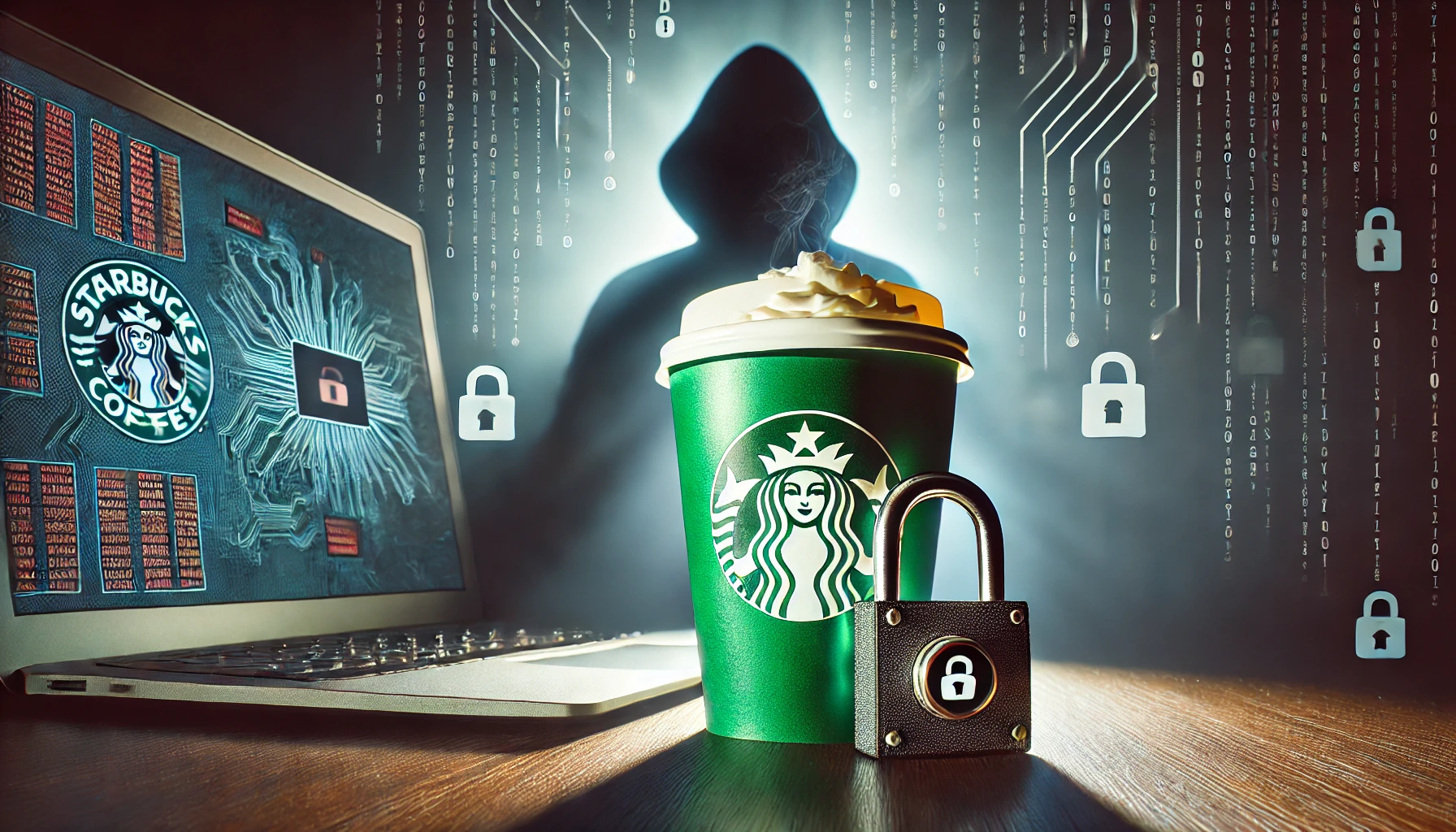
Starbucks has found itself in the cross hairs of cybercriminals. No, we’re not talking about a new blend of coffee. We’re also not referring to a price increase for a double-shot latte. This time, the headlines are a lot less frothy. A ransomware attack has struck the global coffee giant. It affects its internal systems. Once again, it reminds businesses everywhere that no one is safe from the perils of cybercrime.

Before you toss your loyalty card in the bin, think again. Don’t swear off macchiatos just yet. Let’s dive into the real scoop of what happened. We will explore what it means for Starbucks and what we all can learn from this.

What Happened?

In late November, reports surfaced that Starbucks’ corporate systems had been compromised by a ransomware gang known as LockBit 3.0. LockBit, infamous for their targeted attacks and brazen extortion tactics, claimed responsibility for the infiltration. According to cybersecurity sources, the attackers managed to breach Starbucks’ networks. They encrypted a range of sensitive corporate data. The attackers demanded a hefty ransom to release their grip.

The scale of the attack wasn’t small beans either. The stolen information included everything from proprietary financial records to employee personal data. To add some whipped cream on top, the hackers threatened to release the data publicly. They planned to do this if their financial demands weren’t met by a specific deadline.

Starbucks hasn’t publicly confirmed the ransom amount. They haven’t confirmed the extent of data affected either. Yet, the impact was significant. LockBit began leveraging their dark web platform to flaunt the stolen files. This action put pressure on the coffee giant to comply. Nothing says ‘wake-up call’ quite like a criminal posting your secrets online.

A Sip Too Bitter: How Starbucks Got Hacked

The how of this story is often the most bitter pill to swallow. Starbucks is a large company. It has robust cybersecurity protocols. Still, it has become yet another victim of a ransomware group. They used the usual playbook: exploiting vulnerabilities in the company’s IT infrastructure. This has been done via phishing schemes or weak endpoint security. You know, it’s the basic things that are taught in “Cybersecurity 101.” These always seem to end up at the bottom of a very long to-do list.

LockBit 3.0, like most ransomware groups, generally looks for companies with gaps in their patch management. It also takes advantage when staff are not properly educated on cyber hygiene importance. In Starbucks’ case, this has been a failure to secure remote endpoints. Alternatively, it have been an unpatched system that offered an open door for the attackers. Picture it: a big, virtual neon sign that says “Come on in, we’re open!”

What’s the Price of Cybersecurity Neglect?

Starbucks’ misfortune highlights the ongoing risks that companies face in an increasingly digital economy. But let’s get real—it’s not just Starbucks that needs to worry. This easily happen to your favourite local café. It also affect the neighborhood solicitor. A small educational establishment that hasn’t reviewed its cybersecurity posture in recent memory is also at risk. Ransomware is, in many respects, the great equaliser: It preys on weaknesses irrespective of your company size, reputation, or industry.

According to some sources, Starbucks was using a mix of on-premises and cloud solutions. The weak point has been one of those legacy systems. Somehow, these systems hadn’t been fully patched or securely configured. The biggest cost here isn’t always financial; the Reputational damage can also be massive. When customers see even a giant like Starbucks falling victim, they start to wonder how safe their data is anywhere. Suddenly, trusting that local bakery with your email location seems dicey, doesn’t it?

Lessons for SMBs: Keeping Cybersecurity Fresh

If a multi-billion-pound corporation like Starbucks can fall victim to ransomware, the lesson for small and medium-sized businesses is clear. You are not invincible. If that wasn’t already painfully obvious, it should be now. Starbucks undoubtedly has resources to bounce back. Yet, the situation will be much more catastrophic for a small business without the same means.

Here’s what your business should take away from Starbucks’ unfortunate episode:

  1. Keep Your Systems Updated: Ransomware gangs often exploit vulnerabilities in unpatched software. Make sure all systems, from the latest cloud services to older legacy setups, are up-to-date with patches. If a system can’t be updated any more, it must be replaced. Think of it as getting regular MOTs for your IT. If you skip them, you’ll soon find yourself broken down on the hard shoulder of the information superhighway.
  2. Educate Your Staff: Phishing remains one of the most common attack vectors. Proper training to spot suspicious emails or social engineering attempts can stop a threat before it gains a foothold. Teach your employees to be as skeptical of unsolicited emails as they are of “new and improved” menu items.
  3. Adopt a Zero Trust Approach: This means treating every try to access your network as suspicious until verified. In other words, trust nothing, verify everything. Imagine your network is a trendy speakeasy—everyone needs a password, and even then, they’re getting a side-eye.
  4. Backup, Backup, Backup: Regular, secure backups stored in multiple locations can prevent attackers from using encryption against you. And for the love of espresso, make sure those backups actually work. There’s nothing worse than finding out your ‘insurance’ is just a box of broken dreams.
  5. Consider Cyber Essentials: For UK-based SMBs, adopting frameworks like Cyber Essentials provides a foundational level of cyber hygiene. These frameworks are proven to stop 95% of attacks like ransomware. It’s not just a good idea; it’s practically a survival guide.
  6. Look at Your Supply Chain: If your business works with third-party suppliers, make sure their cybersecurity is strong. It’s time to assess their cybersecurity measures. Supply chains are often the weakest link, and attackers know it. In the UK, a good metric for your partners is whether they have Cyber Essentials certification. If they don’t, it is time for a polite chat—or to reconsider the relationship.

What’s Next for Starbucks?

While the full impact on Starbucks’ operations has not been confirmed, they are surely engaging in damage control. This includes both PR efforts and organizing their IT infrastructure. You can almost hear the frantic meetings and furious typing from here. It’s expected that they’ll beef up endpoint security. They will evaluate and probably segment their networks. They will also step up monitoring for any unusual activities. Starbucks face more regulation in the months to come. They will undergo scrutiny, especially about how they protect consumer data.

As for LockBit 3.0, this isn’t their first rodeo, and it’s unlikely to be their last. They have no loyalty—not even to your favourite coffee place. They serve as a reminder. Without robust cyber defences, any company can face a ransom demand. It’s like the Wild West out there, only the outlaws are after your data instead of your gold.

Final Thoughts: Stirring Up Change

No one wants a bitter ending, especially not one that comes with the acrid taste of a ransomware attack. While Starbucks will recover from this latest incident, their experience serves as a wake-up call for all of us. It’s time to stop treating cybersecurity as an afterthought. Whether you’re a multinational brand or a local café, the lesson remains the same. Lock down your digital front door. Update your systems. Educate your team. Make sure you’re not making it easy for someone to take advantage.

Just like brewing a good coffee, cybersecurity takes the right mix of preparation, awareness, and consistency. And remember, the cost of avoiding ransomware is always cheaper than the cost of paying it off. So why wait until you’re being held to ransom before getting serious about cybersecurity?

So, next time you grab that “Grande Cappuccino”, take a moment to consider this question. Is your business network as secure as that cup of coffee in your hand? If not, maybe it’s time to start brewing up a new approach to your security—before you get roasted.

Secure Your Business Today

If you’re unsure about your company’s current cybersecurity posture, now is the time to act. Don’t let your business be the next cautionary tale. At Equate, we help businesses of all sizes get Cyber Essentials certified and stay one step ahead of the threats. From regular patch updates to staff training and comprehensive cyber assessments, we’ve got you covered.

Contact us today. Learn how we can help secure your operations. Protect your data before the hackers come knocking. Let’s make sure your business is safe, secure, and ready for whatever comes next.