Well, here we are. Another year, another cybercrime tsunami, and yet somehow, a frightening number of businesses are still treating cybersecurity like an afterthought—right up until they find themselves explaining to customers why their personal data is now for sale on the dark web.

According to the National Cyber Security Centre (NCSC), 2024 has been an absolute train wreck for UK cybersecurity. If last year felt bad, this year has been the worst on record—which, considering the disasters we’ve already seen, is quite the achievement. The numbers aren’t just bad; they’re downright embarrassing for anyone still pretending that cyber threats aren’t a big deal.

So, let’s take a deep dive into what went wrong, who got hammered, and why, despite endless warnings, businesses are still ignoring basic security hygiene like it’s an optional extra.

Cybercrime in the UK: The Stats (Brace Yourself)

The Cyber Security Breaches Survey 2024 has laid it all out in soul-crushing detail. Here are the lowlights:

  • 50% of UK businesses reported a cyber breach or attack. That’s just the ones willing to admit it. The rest? Either shockingly lucky or blissfully unaware.
  • 84% of those breaches were phishing attacks—because, apparently, people still think their CEO urgently needs them to buy £500 in Amazon gift cards.
  • Ransomware attacks are at an all-time high, with 13 of them serious enough to be considered “nationally significant.” In non-government speak, that means crippling infrastructure, disrupting businesses, and generally making life hell.
  • UK businesses have lost £44 billion to cybercrime in the past five years. Yes, that’s a billion with a B. But sure, let’s keep pretending that a free antivirus program and some wishful thinking will do the trick.

And it’s not just the usual criminals cashing in. State-sponsored attacks from Russia, China, and North Korea have surged, targeting everything from infrastructure to financial systems. If your company has noticed an increase in “unusual login attempts,” congrats—you’re now part of an international cyber espionage problem.

Education: Now a Hacker’s Favourite Target

If businesses are getting hammered, universities and schools are being absolutely steamrolled. The Cyber Security Breaches Survey: Education Institutions Annex revealed that:

  • 97% of universities reported cyber breaches in the last 12 months. Yes, you read that right. Nearly every single university in the country has been targeted.
  • 86% of further education colleges have also been attacked.
  • 71% of secondary schools have been hit, which, considering how badly they’re already struggling for funding, is just insult to injury.

Cybercriminals aren’t targeting education for fun. They’re after student and staff data, research, and financial records. And because so many institutions have terrible IT policies and underfunded security teams, it’s like handing a burglar your house keys and leaving the front door open for good measure.

The Government’s Response: Finally, Some Action (Sort of)

Faced with this relentless onslaught, the UK government has finally decided to act, introducing a few measures that might actually help—if implemented properly.

Here’s what’s changing:

  • Mandatory reporting for ransomware incidents. No more keeping quiet and hoping no one notices that all your systems have been encrypted.
  • Data centres are now classified as critical infrastructure. Which is great, considering they’ve been a prime target for years.
  • More AI-driven security. Because if criminals are going to use AI to automate attacks, we might as well use AI to fight back.
  • Cyber Essentials is now mandatory for further education institutions. That’s right—thanks to the ESFA/DfE mandate, every college that wants funding from the government must now meet Cyber Essentials requirements. It’s almost as if securing educational institutions should have been a priority years ago.

This last point is a huge deal. Schools and colleges have long been sitting ducks for cybercriminals, relying on underfunded IT departments and patchy security policies. Now, with the Cyber Essentials for Further Education (CE4FE) mandate, institutions finally have no choice but to take security seriously.

Of course, this also means plenty of schools and colleges are now scrambling to get their cyber defences in order before the deadline. If your institution still isn’t compliant, start now—because the deadline isn’t going anywhere, and neither are the hackers.

The Real Problem: People (Yes, You, Steve in Accounting)

Here’s the harsh reality: most cyber-attacks succeed because of fundamental human error.

  • If your company still has “Password123” in use anywhere, I don’t know what to tell you. You deserve what’s coming.
  • If you think multi-factor authentication (MFA) is too much hassle, imagine how much hassle it’ll be when your entire system is encrypted by a ransomware gang demanding £200,000.
  • If your IT team has been begging to update ancient, unsupported software and you’ve ignored them—you are the reason your company is a target.

Cybercriminals aren’t hacking into businesses using some Hollywood-style super virus. They’re getting in because people are lazy, security policies are ignored, and businesses don’t want to invest in proper defences.

How to Avoid Being Next Year’s Statistic

If this year’s cybercrime figures haven’t scared you into action, let’s try a different approach:

🔹 Get Cyber Essentials certification. If you’re running a business and don’t have it, why not?
🔹 Train your staff. Because all it takes is one person clicking the wrong link, and your whole company could be toast.
🔹 Enable MFA. Seriously. Right now. Go do it.
🔹 Patch your systems. If you’re running Windows 7 in 2024, I assume you also drive a car without seatbelts.
🔹 Backup your data properly. Ransomware isn’t scary if you can just restore everything and tell the hackers to get lost.

Final Thoughts: It’s Time to Get Serious

2024 has been the worst year on record for cybercrime, and if businesses, schools, and institutions don’t take cybersecurity seriously, next year will be even worse.

So, if you’ve been putting off that security review, ignoring best practices, or pretending that cyber insurance is a substitute for actual security—stop. Now.

Because cybercriminals aren’t slowing down. They’re getting smarter, faster, and more aggressive.

The only question is: are you going to do something about it before it’s too late?
How Microsoft is Redefining Digital Security

For decades, passwords have been both a necessity and a burden, we ask is it time for passwordless authentication?

They were meant to be the keys that kept our digital worlds secure, yet they have long been the weakest link in the security chain.

Who hasn’t struggled to remember a complex string of characters only to use the same password across multiple accounts?


Cybercriminals have exploited this flaw relentlessly, leading to data breaches, financial fraud, and the erosion of trust in online systems.

But what if passwords were no longer necessary? What if we could authenticate ourselves in a seamless and far more secure way?

Microsoft believes that the future is already here.

A World Without Passwords

The concept of a passwordless world may seem like science fiction, but it’s quickly becoming a reality. Microsoft has been laying the groundwork for years, developing authentication methods that don’t rely on easily compromised credentials. Now, the company is urging businesses and individuals to embrace a new era where security doesn’t come at the cost of convenience.

The shift away from passwords isn’t just a technological evolution; it’s a necessary response to a growing crisis. Statistics paint a bleak picture: 80% of hacking-related breaches are due to compromised credentials. Phishing attacks are more sophisticated than ever, and traditional password policies—requiring frequent changes, special characters, and unique strings—often lead users to create weak, easily guessed passwords instead.

The New Standard: Passwordless Authentication

So, how does a world without passwords work? Microsoft has introduced several technologies that make authentication both more secure and effortless:

  • Windows Hello – Biometric authentication using facial recognition or fingerprints to log in instantly.
  • Microsoft Authenticator – A mobile app that replaces passwords with secure push notifications.
  • FIDO2 Security Keys – Physical security keys that verify identity without a password.
  • Passkeys – A next-generation authentication method that eliminates the risk of phishing and credential theft.

Each of these technologies is built on the principle that authentication should be stronger and more straightforward. Instead of relying on something you know (a password), they use something you have (a device) or something you are (biometric data). The result? A significantly reduced attack surface for cybercriminals.

Why Businesses Must Take Note

For businesses, the transition to passwordless authentication isn’t just an opportunity—it’s an imperative. The financial and reputational costs of a data breach can be catastrophic, and weak password practices remain the single largest vulnerability. By adopting passwordless solutions, companies can:

  • Reduce security risks – Eliminating passwords removes a common attack vector for hackers.
  • Lower IT costs – Helpdesk requests for password resets are a drain on time and resources.
  • Enhance user experience – Employees and customers benefit from a smoother, frictionless authentication process.

In industries where compliance and security are paramount—such as finance, healthcare, and legal—passwordless authentication is not just a convenience; it’s a necessity. Organisations that fail to adapt risk being left behind in an increasingly hostile cybersecurity landscape.

How to Make the Transition

The good news is that Microsoft has made the transition to passwordless authentication more accessible than ever. Businesses can take the following steps to begin their journey:

  1. Enable Windows Hello for Business – Modern devices support biometric authentication, eliminating the need for passwords.

  2. Deploy Microsoft Authenticator – Employees can use push notifications for quick and secure sign-ins.

  3. Adopt FIDO2 Security Keys – USB or NFC-based security keys add an extra layer of protection.

  4. Implement Conditional Access Policies – Define security requirements to ensure only the right people can access critical systems.

For organisations already leveraging Microsoft 365 and Azure Active Directory, passwordless authentication is a natural progression towards a more secure infrastructure.

A Future Without Passwords

The days of remembering and resetting passwords are numbered. Microsoft’s push towards passwordless authentication signals a shift in how we approach digital security—prioritising ease of use and robust protection. The writing is on the wall: businesses that continue relying on traditional password-based security will fight a losing battle against cyber threats.

At Equate Group, we help businesses implement cutting-edge security solutions, including Microsoft’s passwordless technologies. If your organisation is ready to step into the future and leave passwords behind, now is the time to act.

The future of authentication is here. Are you ready to embrace it?

Cybersecurity is no longer a luxury reserved for large corporations. Every business, no matter its size, faces cyber threats. Cyber Essentials, the UK government’s flagship cybersecurity scheme, is designed to arm your business with a robust set of protections against the most common attacks. And if you think cyber criminals aren’t interested in your business, think again.

The Cyber Essentials Impact Evaluation reveals that certified organisations are significantly better off. They are better positioned to handle attacks, with the programme mitigating “up to 99% of internet-originating vulnerabilities” GOV.UK.

Think of it this way: without Cyber Essentials, your business is like a house with no locks—open and vulnerable to opportunistic thieves.

But Cyber Essentials isn’t just about defence. It’s about confidence. The evaluation found that 91% of certified businesses reported feeling more secure about their cyber posture. Whether you’re in retail, healthcare, or any other industry, being confident in your ability to repel cyber-attacks is crucial for operational continuity.

Is Cyber Essentials Worth It? The True Value of Cyber Defence

Let’s talk cost. Is Cyber Essentials worth the investment? The answer is a resounding yes. The Cyber Essentials Impact Evaluation confirms that businesses that certify reduce their risk of breach significantly and experience fewer cyber insurance claims GOV.UK.


Fewer breaches mean less downtime, fewer legal issues, and most importantly, lower costs. So, when you look at the upfront investment, it’s easy to see how it pays for itself many times over.


If you’re still on the fence, consider this: what is the cost of doing nothing? Cybercriminals don’t care if your business is small or lacks a dedicated IT team. They look for vulnerabilities—any weak spot to exploit. Cyber Essentials fills those gaps. Not getting certified is like playing with fire; it’s not a matter of if you’ll get burned but when.

Cyber Essentials and the 5 Key Controls that Fortify Your Defence

Cyber Essentials is built around five core controls, each designed to address specific weaknesses that cybercriminals often exploit. Think of these as the foundation of a sturdy digital fortress:

  1. Firewalls: Your first line of defence. They decide what enters and exits your network, keeping malicious actors out while letting the good traffic in.
  2. Secure Configuration: This ensures your systems are properly set up and secured from the moment they go online. Leaving your systems on default settings is like moving into a house and leaving the front door wide open.
  3. User Access Control: Only those who need access to sensitive areas of your network should have it. It’s like making sure the keys to your safe are only in trusted hands.
  4. Malware Protection: Protecting your business from viruses, spyware, and other malicious software is like installing a security system that detects and prevents unwanted intrusions.
  5. Patch Management: Regularly updating your software is essential. The Cyber Essentials Impact Evaluation warns that out-of-date systems are a hacker’s best friend GOV.UK. Think of patches like regular maintenance on your car—they prevent breakdowns and ensure everything runs smoothly.

By implementing these five simple but powerful controls, you can reduce your exposure to the vast majority of attacks. It’s not about complicated IT theory—it’s practical, common-sense defences that make a real difference.

The Business Benefits of Cyber Essentials: More Than Just Security

Cyber Essentials isn’t just about reducing the risk of attack. It also offers a competitive edge. The Cyber Essentials Impact Evaluation shows that certified businesses gain more trust from customers and are more likely to win contracts GOV.UK

In sectors where security is crucial—like finance, healthcare, and government contracting—being Cyber Essentials certified could be the deciding factor in whether you land a deal.

And it’s not just customers who are paying attention. Increasingly, supply chains are demanding higher levels of cybersecurity from their partners. Cyber Essentials is the proof that you’re serious about protecting data. The evaluation revealed that certification played a “crucial role in securing contracts and retaining clients” for many businesses GOV.UK

In today’s digital world, trust is everything. If your clients can’t trust you with their data, they’ll go elsewhere.

The Future of Cyber Threats: Why You Need to Stay Ahead

If you think today’s cyber threats are bad, buckle up for 2025 and beyond. The Cyber Essentials Impact Evaluation paints a clear picture—cybercriminals are getting smarter and their attacks more sophisticated GOV.UK

It’s no longer enough to rely on basic antivirus software or hope that you won’t be targeted. Hackers are constantly evolving their tactics, and businesses need to keep up.

This is where Cyber Essentials comes into its own. It’s designed to grow with the threat landscape, evolving to address new vulnerabilities as they arise. By getting certified now, you’re not just protecting against today’s attacks—you’re future-proofing your business for tomorrow’s threats. The evaluation highlights how certified businesses are far better prepared to withstand future cyber-attacks GOV.UK

Cybersecurity isn’t a one-and-done deal. It’s an ongoing commitment to keeping your business safe. And that’s exactly what Cyber Essentials delivers.

Cyber Essentials: A Smart Investment with Strong ROI

When considering the cost of Cyber Essentials, think of it as an investment, not an expense. The Impact Evaluation confirms that businesses with Cyber Essentials saw “significant reductions in cyber insurance claims” GOV.UK

This isn’t just about ticking a box for compliance—it’s about protecting your bottom line. Reduced claims, fewer breaches, less downtime—it all adds up to a healthier business.

The price of certification pales in comparison to the potential financial and reputational damage of a data breach. According to the report, businesses that fail to implement basic cybersecurity measures often pay the price in terms of lost revenue and customer trust. On the flip side, certified businesses not only reduce their risk but also enjoy better pricing on cyber insurance policies.

Cyber Essentials: Your Key to a Secure Future

Cyber Essentials isn’t just a government scheme—it’s your gateway to a more secure and successful future. If you’re not certified, you’re leaving your business open to attack. The Cyber Essentials Impact Evaluation shows that this scheme can dramatically reduce your risk, boost customer confidence, and future-proof your business GOV.UK


But here’s the thing—you don’t have to tackle this alone. At Equate Group, we specialise in helping businesses navigate the certification process with ease. From initial assessments to full implementation, we guide you through every step, ensuring your business is fully protected. Whether you’re looking to start from scratch or need to overhaul your current cybersecurity measures, we’ve got you covered.

Contact Equate Group today to learn more about how Cyber Essentials can safeguard your business and give you the competitive edge you need in today’s fast-changing digital world. Don’t wait for a cyber attack to knock on your door—act now, and lock it down before it’s too late.

Secure your organisation today!

Learn more about how Cyber Essentials can safeguard your business and give you the competitive edge you need in today’s fast-changing digital world

Get Started now!

Over 700,000 DrayTek routers have major security flaws. These flaws put your network at serious risk. Attackers can easily take control if you don’t act now. In today’s world, secure networks are a must. You need to fix these issues fast.

The DrayTek Router Vulnerabilities

There are 14 flaws in DrayTek routers. Hackers can use them to break into your network. They can steal data, spy on your traffic, or shut down your system. Hackers are already looking for vulnerable routers. The more time you take to fix this, the greater the risk.

These flaws include remote code execution, where hackers can control your router. They don’t even need your login details because they can bypass your security. More than 700,000 routers are open to this attack. DrayTek has provided firmware updates, but you must apply them now.

Why your DrayTek Router’s Security Matters for SMBs and IT Professionals

If hackers break into your DrayTek router, your business suffers. A network breach can cause financial losses and downtime, damaging your operations and reputation.

Strong DrayTek router security is crucial. Even trusted devices need regular updates to stay secure.

Steps to Protect Your Network

  1. Update Firmware Now: Download the latest firmware for your DrayTek router. This will fix the flaws and protect your DrayTek routers security.
  2. Use Strong Security Settings: Set strong passwords. Enforce encryption. Use multi-factor authentication (MFA) if possible.
  3. Check Your Network: Keep an eye on network traffic. Look for strange activity. Use security tools to detect any risks early.
  4. Get Help from Equate: If your business relies on DrayTek, Equate can help. We offer IT support to keep your DrayTek router’s security tight. We handle updates, watch your network, and protect your business.

The Future of DrayTek Router Security

DrayTek routers stays strong when you take action. These flaws remind us all to stay alert and update hardware regularly.

At Equate, we know how important a secure network is. Our IT experts can help update your routers and protect your network. We watch for risks and make sure your DrayTek Router security remains solid.

Don’t leave your network open to attack. Contact Equate’s support team today. We can help secure your business with expert updates and cybersecurity services.

Contact us now to protect your network and keep your business safe.

Details of the problem and effected models is here

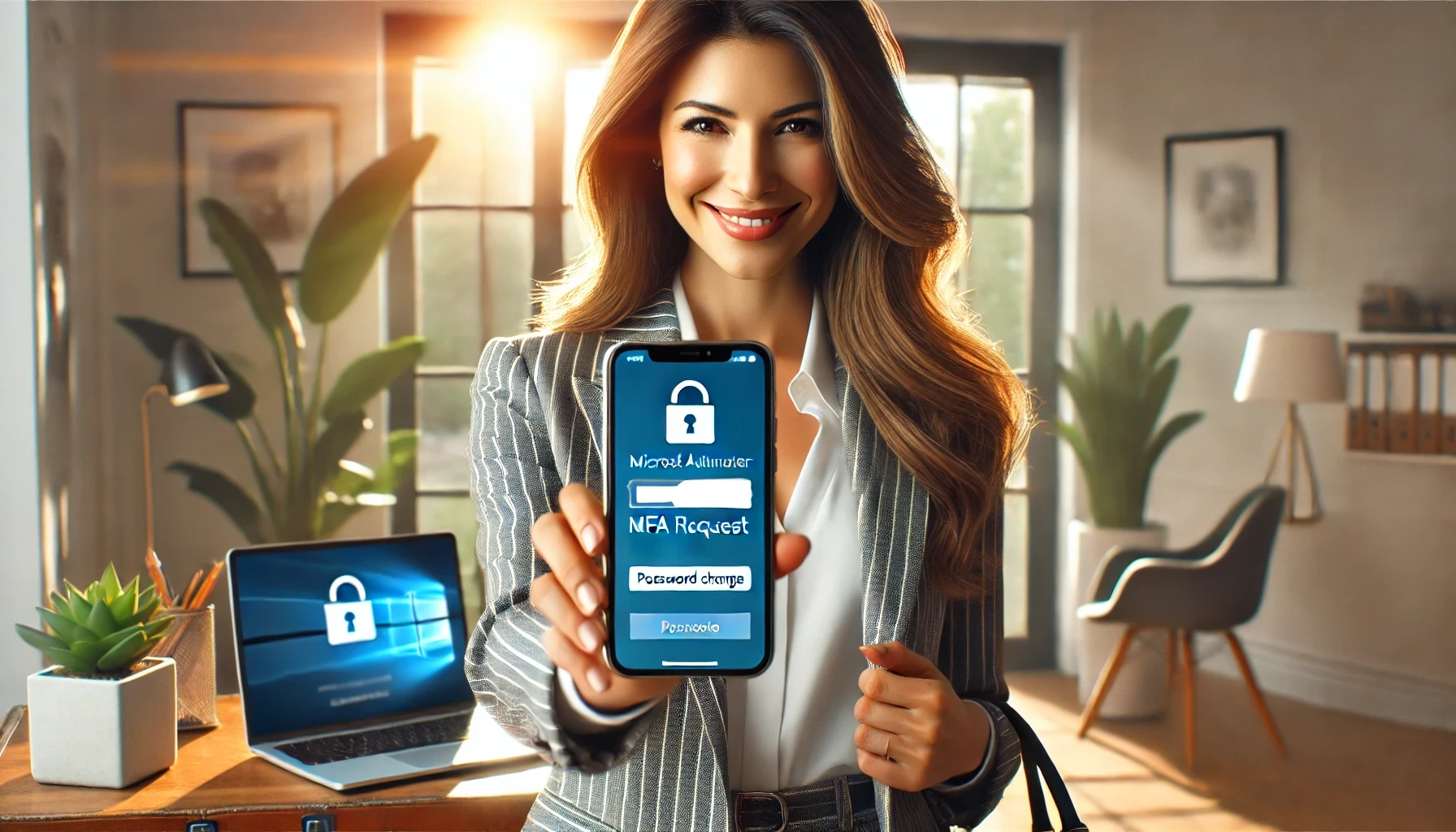
It’s a typical Monday morning. As I’m heading out the door, my phone buzzes with a message from a client. They’ve received an unexpected Microsoft Authenticator MFA request. In most cases, a situation like this could easily cause concern—was it a phishing attempt? Could someone be trying to hack into their account?

But instead of panic, the client did exactly what we hoped they would. They rejected the request and informed me immediately.

No drama. No breaches. Just a well-trained response.

Cybersecurity: More Than Just Tools

When you think of cybersecurity, technology naturally comes to mind—firewalls, antivirus software, multi-factor authentication. These are critical elements in defending any organisation against threats.

But here’s the reality: even the most advanced tools can’t always protect you from human error.

Every day, your employees are making decisions that can either strengthen your defences or leave the door wide open to cybercriminals. How confident are you that they’re making the right choices?

The greatest vulnerability in most organisations isn’t a lack of technology—it’s the people using that technology. And while technology continues to advance, cybercriminals are constantly evolving their methods too. The question is: are your people evolving alongside your tech?

Why Cybersecurity Training Works

Let’s face it, most employees don’t start their day expecting to deal with a cyberattack. However, threats don’t wait for the perfect moment—they can come at any time. That’s why training is crucial. Here’s what effective training can do:

  1. Prepare Your Team for Real Scenarios:
    Like in the situation I experienced, the client didn’t hesitate when faced with an unexpected MFA request. That wasn’t a lucky guess—it was the result of practice. By training your employees on how to spot threats and how to react, you make security part of their everyday mindset.
  2. Reduce the Risk of Error:
    Cybercriminals often exploit uncertainty. An employee who isn’t sure what to do when they receive a suspicious email or alert is far more likely to fall into a trap. Training removes that uncertainty. It provides the confidence and clarity needed to act quickly and effectively.
  3. Empower Action:
    When employees know how to handle potential threats, they become part of your defence strategy. Instead of being a weak link, they become your first line of protection. Imagine the peace of mind knowing your entire team is vigilant and equipped to respond.

The Impact of Inadequate Training

Now, let’s consider the flip side: what happens when your team isn’t properly trained?

  • Phishing Emails Slip Through:
    An untrained employee may open an innocent-looking email, only to click on a malicious link, unknowingly giving a cybercriminal access to your systems. The next thing you know, your data is compromised.
  • Weak Passwords Are Used:
    Without training, employees may fall back on bad habits—using weak passwords or, worse, reusing the same passwords across multiple accounts. One compromised account can lead to widespread access for attackers.
  • Suspicious Activity Is Ignored:
    When employees don’t know how to recognise a threat, even something as simple as an unexpected MFA request might get overlooked. That could be all it takes for a security breach to occur.

The cost of ignoring training is clear: your people can unintentionally expose your organisation to serious threats. And it’s not just about financial loss; it’s also about reputation, trust, and downtime.

A Real-World Example of What Works

Think back to the Monday morning scenario. The client who received the unexpected MFA request didn’t panic or need to escalate the issue—they knew exactly what to do. They had been trained to recognise this kind of threat and act on it immediately.

But this didn’t happen by chance. It was the result of consistent, relevant, and tailored cybersecurity training.

Imagine if all your employees were equipped with the same knowledge and confidence.

Would you sleep easier at night knowing your entire team could handle a similar situation

The Case for Prioritising Cybersecurity Training

Training isn’t just about preventing breaches (although that’s a big part of it). It’s about empowering your employees, building a culture of security, and creating an environment where threats are recognised and dealt with before they become major issues.

But it’s also about the long-term benefits:

  • Reduced Support Tickets: Employees who are well-trained can handle basic issues on their own, reducing the burden on your IT team.
  • Increased Customer Trust: Clients and customers will feel more secure knowing your organisation takes cybersecurity seriously, from the top down.
  • Avoiding Major Disruptions: A security breach doesn’t just affect your systems—it can halt operations, damage your reputation, and lead to costly legal implications. Training helps mitigate that risk.

What Can You Do Right Now?

Here’s where you take action. The question isn’t whether your organisation needs cybersecurity training—it’s whether you’re doing enough.

  • Are your employees equipped to handle today’s threats?
  • Are you confident they can recognise a phishing attempt, a suspicious email, or an unexpected MFA prompt?
  • When was the last time your team had meaningful cybersecurity training?

If you’re not 100% confident in your answers, it’s time to reassess your approach. The next threat could be just an email or a pop-up away.

We help organisations like yours bridge the gap between technology and the people using it. Our tailored training programmes are designed to fit your specific needs, empowering your employees to become a strong part of your security defence.

Let’s Talk About Your Training Programme

When you think about it, training is the most cost-effective way to protect your organisation from cyber threats. But it’s more than that—it’s about ensuring that your employees, the people who interact with your systems daily, are fully prepared to act when it matters.

If you’re ready to strengthen your team and your security, let’s have a conversation. Together, we can build a tailored training solution that ensures your people are prepared, alert, and confident in defending your business.

How secure is your team? It’s time to look closely at your cybersecurity training efforts and take steps to improve them. Let’s chat about how we can help.

#CyberSecurity #TrainingMatters #SecurityAwareness #MFA #ITLeadership #DataProtection

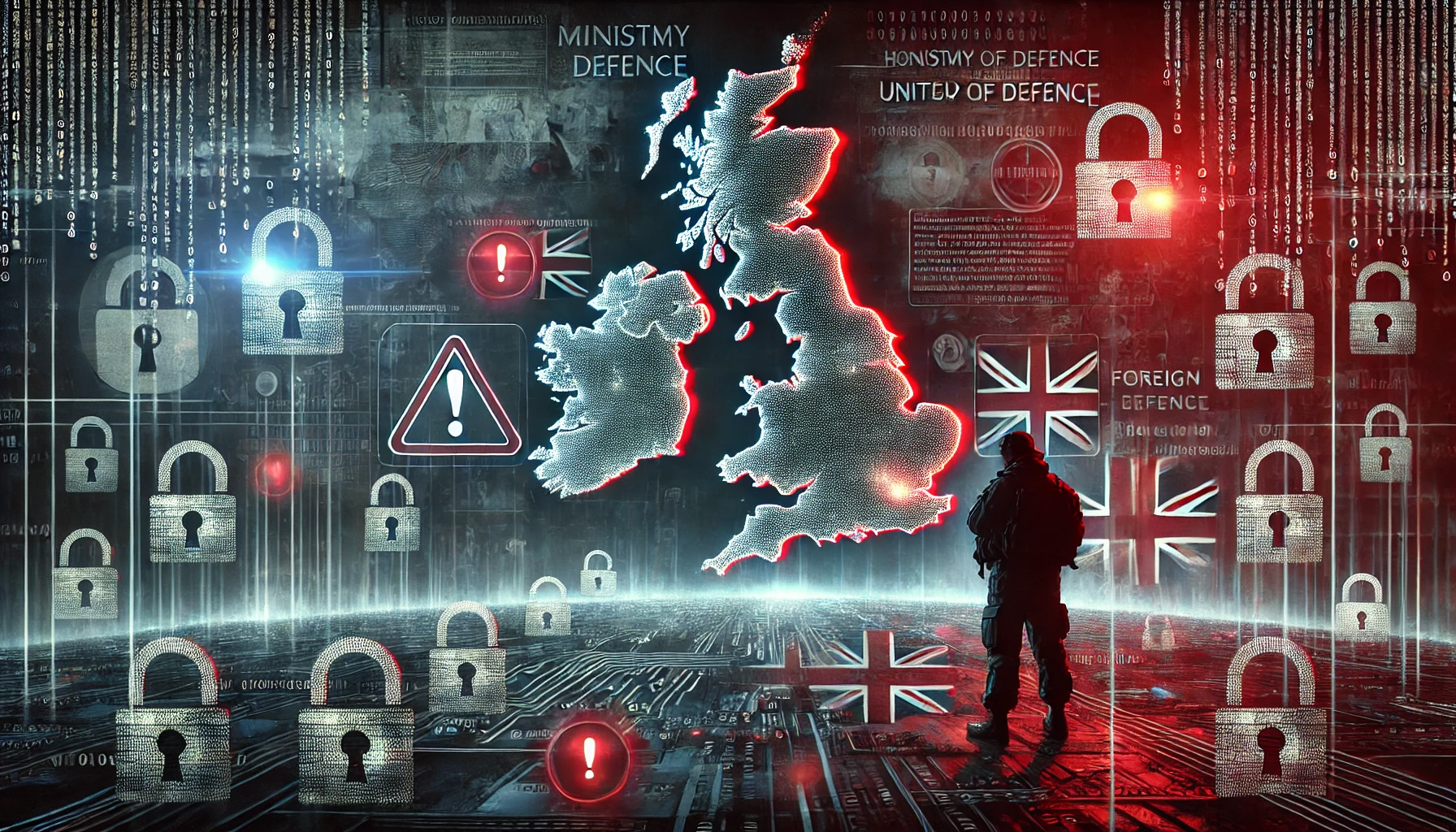
Ah, another day, another cybersecurity breach—and this time, it’s not some private company handling your online shopping data, but the UK’s Ministry of Defence (MoD). Yes, you read that correctly: the very institution responsible for defending the nation has found itself vulnerable to a cyberattack. But before we throw our hands up in despair (or worse, shrug our shoulders in apathy), let’s break down why this breach is more significant than just another blip on the data breach radar.

The Basics of the Breach

Let’s start with what we know so far. The breach came via a third-party payroll system, compromising the personal details of military personnel, including names, bank details, and a handful of home addresses. That’s right: highly sensitive information from individuals serving in the UK’s armed forces has been exposed, leaving them vulnerable to potential identity theft, fraud, and—given their roles—perhaps more sinister activities.

Speculation is rife that a foreign actor could be behind the attack. And while no official confirmation has come from the Ministry, the very fact that this is even a possibility should make every citizen a little uneasy. We’re not just talking about random hackers playing around for fun; this could very well be state-sponsored espionage.

Why Does This Matter?

So, what’s the big deal? After all, data breaches happen all the time, right? Wrong. While it’s true that breaches have become a depressingly regular occurrence, this isn’t a breach of your average corporate entity. This is the MoD we’re talking about—the heart of the UK’s national security apparatus.

A breach like this isn’t just about financial fraud (though that’s bad enough). This is about the exposure of people who are involved in the defence of the nation. These aren’t just private citizens; they are military personnel who may serve in sensitive roles, have access to classified information, or work on critical defence projects. By gaining access to their personal information, bad actors could potentially manipulate or blackmail them, creating security vulnerabilities that could ripple far beyond the individual.

Furthermore, this is a massive reputational blow to the MoD. If they can’t keep their own house in order when it comes to cybersecurity, how can we trust them to safeguard the nation against more complex and dangerous cyber threats?

The Real Issue: Third-Party Vulnerabilities

While the breach may have occurred within a third-party payroll system, the MoD is ultimately responsible for the protection of its data. This brings to light a crucial issue in cybersecurity today: third-party vulnerabilities. In an increasingly interconnected world, organisations—government or otherwise—are relying more on third-party service providers for everything from payroll to cloud storage to software development. And while this can make operations more efficient, it also opens up new avenues for cyberattacks.

The MoD’s breach is a perfect example of how even the most robust internal cybersecurity measures can be undermined by vulnerabilities in external systems. And let’s face it, private contractors don’t always hold themselves to the same rigorous security standards that government agencies (should) do. As the saying goes, you’re only as strong as your weakest link—and when it comes to third-party contractors, that link can be very, very weak indeed.

The Government’s Cybersecurity Track Record

This breach also calls into question the UK government’s overall cybersecurity posture. It wasn’t too long ago that we saw a surge in ransomware attacks across sectors, including healthcare and local government bodies. At the time, we were told that the government would be stepping up its game, investing in cybersecurity to prevent further attacks. Yet, here we are—another critical arm of the state has fallen victim to a cyberattack.

What’s worrying is that this isn’t the first time a government department has been breached, and it certainly won’t be the last. Whether it’s the NHS, local councils, or now the MoD, the UK’s track record on cybersecurity is, frankly, embarrassing. And while we’re assured that “steps are being taken” to mitigate future attacks, there’s little confidence that these measures will be enough, particularly when the government has a tendency to downplay the significance of these events.

The Role of Leadership: Ignoring the Red Flags

This breach raises serious questions about leadership and accountability within the MoD and the government at large. There’s no way that this vulnerability emerged overnight. You can bet that there have been warnings—both internal and external—about the security risks of using third-party contractors for something as critical as payroll services for military personnel.

And yet, here we are, dealing with the consequences of what seems to be a lack of proactive risk management. It makes you wonder: were the warnings ignored at a board level? Was there a conscious decision to take the risk because “it won’t happen to us”? If that’s the case, then heads need to roll. If corporate boards can be held accountable under GDPR for ignoring data protection advice, why should government departments be any different?

The Fallout: What Needs to Happen Next

In the wake of this breach, several things need to happen—and fast. First and foremost, the MoD must launch a full-scale investigation into how this breach occurred, including a detailed audit of its third-party contractors and their security protocols. If the investigation finds that any warnings were ignored or that contractors were not held to high enough standards, there needs to be real accountability.

Second, the UK government needs to revisit its cybersecurity strategy, particularly when it comes to critical national infrastructure. We can’t afford to be complacent, especially with foreign actors eyeing vulnerabilities in our national security systems. Mandatory Cyber Essentials certifications should be a baseline, even for the private contractors handling sensitive government data. And just like in the corporate world, a failure to comply with these standards should come with stiff penalties, GDPR-style.

Finally, let’s not forget about the individuals affected by this breach. Military personnel who have had their personal data compromised must be offered the highest level of support, including identity theft protection services and security briefings on how to mitigate personal risk in the wake of the breach.

Conclusion: A Wake-Up Call We Can’t Afford to Ignore

If the MoD breach teaches us anything, it’s that no organisation—no matter how powerful or well-resourced—is immune to cyberattacks. This is a wake-up call, not just for the Ministry of Defence but for every government department and organisation that handles sensitive data. We need stronger protections, greater accountability, and an acknowledgment that cybersecurity is a national security issue, not just an IT problem.

The question is: will the government listen, or will this be yet another breach swept under the rug, with nothing but vague promises of “lessons learned”? The clock’s ticking. Let’s hope they get it right this time.

How Carpetright’s Cyber Breach Could Have Been Avoided: A Call to Action for Businesses

In today’s interconnected digital landscape, the threat of cyberattacks is no longer a distant possibility but an ever-present danger. The recent cyber breach at Carpetright, one of the UK’s leading flooring retailers, serves as a stark warning to businesses everywhere. This breach didn’t just disrupt operations—it exposed significant vulnerabilities that could have been mitigated with the right cybersecurity measures in place.

The Carpetright Cyber Breach: A Cautionary Tale

Carpetright’s cyber breach was not just an isolated incident; it was a loud wake-up call. The attack, which led to operational disruptions and potential data compromises, highlighted the critical need for robust cybersecurity frameworks. For businesses that may think, “It won’t happen to us,” the Carpetright breach is a clear message: It can, and it might.

But the real story here isn’t just about what happened to Carpetright. It’s about what could have been done to prevent it, and more importantly, what your business can do to ensure it doesn’t face a similar fate.

What Went Wrong: The Need for a Structured Cybersecurity Approach

The breach at Carpetright underscores the importance of adopting recognised cybersecurity frameworks such as Cyber Essentials and NIST (National Institute of Standards and Technology) Cybersecurity Framework. These frameworks provide a structured approach to cybersecurity, offering guidelines and best practices that can help businesses protect their digital assets and respond effectively to cyber threats.

Carpetright’s breach likely stemmed from vulnerabilities that could have been addressed by adhering to these frameworks. Both Cyber Essentials and NIST focus on key areas such as identifying risks, protecting systems, detecting threats, responding to incidents, and recovering from breaches. The absence of such structured approaches leaves businesses exposed, increasing the likelihood of successful attacks.

Cyber Essentials: A Basic Defence for UK Businesses

Cyber Essentials is a UK government-backed scheme designed to help organisations protect themselves against common cyber threats. It provides a clear set of guidelines that, when followed, can significantly reduce the risk of a breach.

If Carpetright had implemented the Cyber Essentials framework, it would have covered five critical areas:

  1. Firewalls: Ensuring that only safe traffic can access the network.
  2. Secure Configuration: Ensuring that systems are configured in the most secure way possible.
  3. User Access Control: Ensuring that only authorised users can access systems.
  4. Malware Protection: Ensuring that anti-virus and anti-malware solutions are in place.
  5. Patch Management: Ensuring that software is kept up-to-date with the latest security patches.

These basic yet essential practices could have been the first line of defence against the breach. For any business, adopting Cyber Essentials is not just about compliance; it’s about building a foundation of security that protects both the company and its customers.

NIST Cybersecurity Framework: Building a Robust Cybersecurity Posture

The NIST Cybersecurity Framework, developed in the United States but adopted globally, offers a more comprehensive approach to cybersecurity. It goes beyond the basics, providing a flexible framework that helps organisations of all sizes manage and reduce cybersecurity risk.

The NIST framework focuses on five core functions:

  1. Identify: Understanding and managing cybersecurity risks to systems, assets, data, and capabilities.
  2. Protect: Developing and implementing appropriate safeguards to ensure delivery of critical services.
  3. Detect: Developing and implementing activities to identify the occurrence of a cybersecurity event.
  4. Respond: Developing and implementing activities to take action regarding a detected cybersecurity event.
  5. Recover: Developing and implementing activities to maintain resilience and restore capabilities impaired during a cybersecurity event.

Had Carpetright incorporated the NIST framework, it could have had the systems in place to not only prevent the breach but also to detect it quickly, respond effectively, and recover with minimal disruption.

The Domino Effect of Cyber Incidents

One of the most concerning aspects of the Carpetright breach was the domino effect it had on the company’s operations. The breach didn’t just compromise data; it brought business to a standstill. When IT systems are compromised, the consequences extend far beyond the immediate financial loss. Customer service, supply chain management, and even basic business functions can grind to a halt. The result? Lost revenue, eroded customer trust, and a tarnished brand reputation.

For any business, this should be a wake-up call. The digital age has brought countless opportunities, but it has also introduced new risks. To thrive in this environment, businesses must prioritise cybersecurity as a critical component of their overall strategy.

The Financial and Reputational Toll: Can Your Business Afford It?

The financial impact of a cyber breach can be staggering. Carpetright undoubtedly faced hefty costs associated with managing the breach—hiring cybersecurity experts, restoring systems, and communicating with affected customers. But the long-term financial implications could be even more damaging.

A breach can lead to lost sales, fines for non-compliance with data protection regulations, and the ongoing cost of improving cybersecurity measures. Then there’s the reputational damage. In a competitive market, where customer trust is paramount, a breach can be a death blow to a brand.

For your business, the question is clear: Can you afford the financial and reputational damage of a cyber breach? And more importantly, are you willing to take that risk?

A Better Approach: Proactive Cyber Resilience with Equate Group

The Carpetright breach teaches us one crucial lesson: cyber resilience is not optional—it’s essential. Cyber resilience is about more than just having a strong defence; it’s about being able to respond to and recover from cyber incidents quickly and effectively. And this is where Equate Group can make a difference.

Why Cyber Essentials and NIST Are Your Best Defence

At Equate Group, we understand the complexities of cybersecurity and the importance of adopting proven frameworks like Cyber Essentials and NIST. These frameworks are not just about ticking boxes—they are about creating a security posture that is proactive, comprehensive, and resilient.

By partnering with Equate Group, you can ensure that your business not only meets the requirements of these frameworks but also leverages them to build a stronger, more secure future. We specialise in helping businesses implement these frameworks in a way that aligns with their unique needs and challenges.

Why Wait? Take Action Now

The consequences of the Carpetright breach are clear: no business is immune, and the cost of inaction can be devastating. But the good news is, you don’t have to face these challenges alone. By partnering with Equate Group, you can ensure that your business is not only protected but resilient—ready to face any threat that comes your way.

Don’t wait for a breach to occur. Take proactive steps now to safeguard your business, protect your customers, and preserve your reputation. Contact Equate Group today and discover how we can help you build a stronger, more resilient future.

Conclusion: A Call to Action

The Carpetright cyber breach serves as a stark reminder of the importance of cybersecurity in today’s business environment. It highlights the need for proactive measures, robust defences, and effective incident response plans. But most importantly, it underscores the importance of having the right partner by your side.

At Equate Group, we are committed to helping businesses navigate the complexities of cybersecurity. We believe that every business deserves the peace of mind that comes with knowing they are protected. So why wait? Reach out to Equate Group today and take the first step towards securing your business’s future.

In the ever-evolving world of cybersecurity, inaction is the greatest risk. Let Equate Group be your safeguard against the unknown. Contact us now, and let’s build a future where your business can thrive without fear.

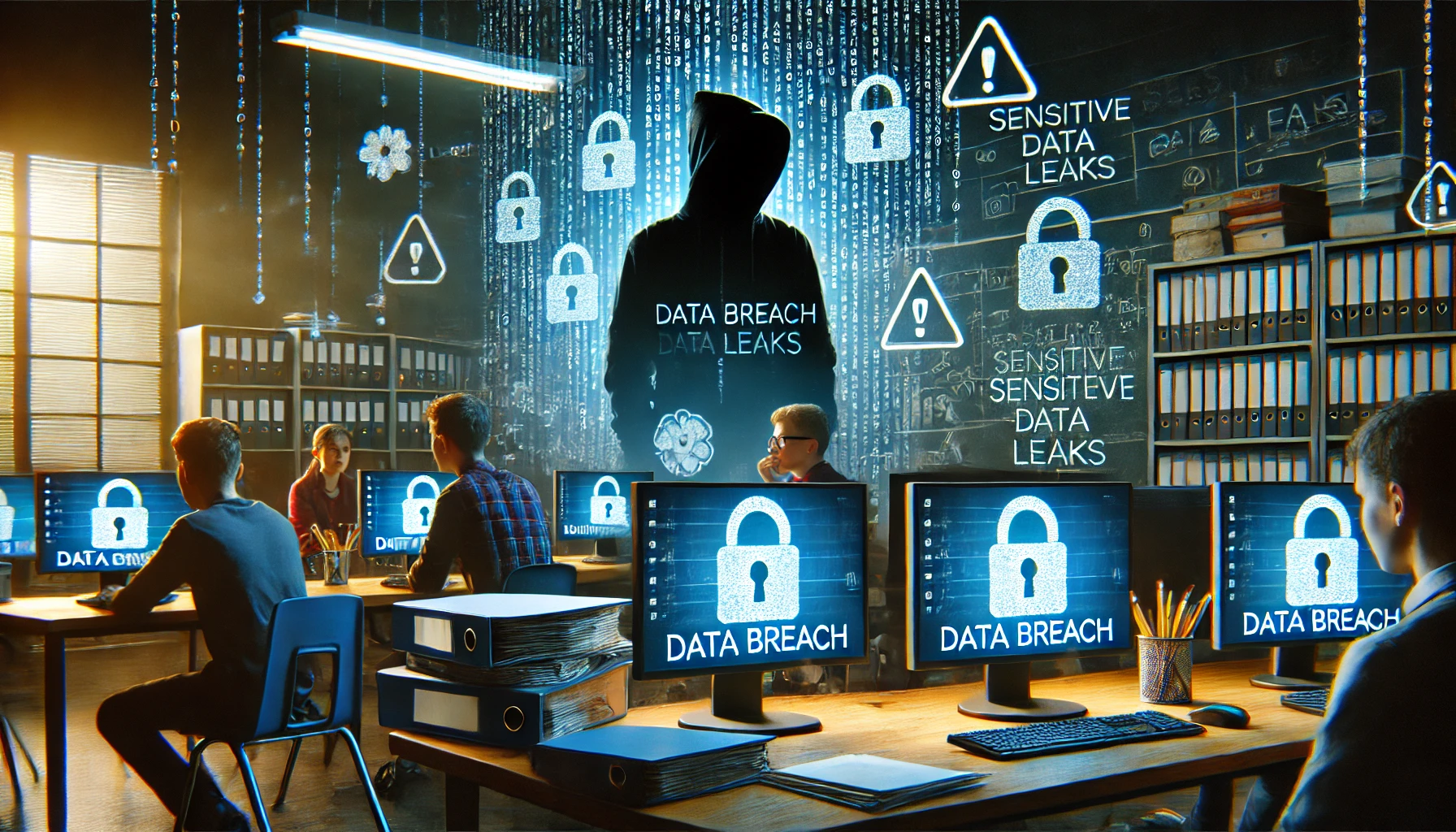
In January 2024, Frances King School of English, located in central London, suffered a serious data breach after cybercriminals gained access to its internal systems. Sensitive student data, including personal details and financial records, was stolen and leaked online, causing significant concern among parents and staff.

The breach, which compromised the personal information of hundreds of students, led the school to contact all affected individuals and work with cybersecurity experts to address the incident. An investigation is underway to determine how the hackers gained access and to assess the full extent of the damage.

This incident is part of a broader trend of cyberattacks targeting educational institutions across the UK. Schools are often seen as vulnerable due to their reliance on outdated IT infrastructure and insufficient cybersecurity measures. In the case of Frances King School, the attack has highlighted the importance of regularly updating security protocols and implementing strong data protection measures.

The school’s management has since vowed to enhance its cybersecurity defenses and to provide additional training to staff on how to identify and prevent phishing attacks—the most likely entry point for the breach. The incident has been reported to the Information Commissioner’s Office (ICO), as required under GDPR regulations.

Educational institutions, particularly those in the private sector, are increasingly becoming prime targets for cybercriminals seeking to exploit weaknesses in security systems. This breach serves as a reminder of the growing need for schools to prioritize cybersecurity and ensure they have adequate defenses in place to protect against future attacks.

The fallout from the breach is ongoing, but Frances King School is determined to learn from the incident and take necessary steps to prevent a recurrence.

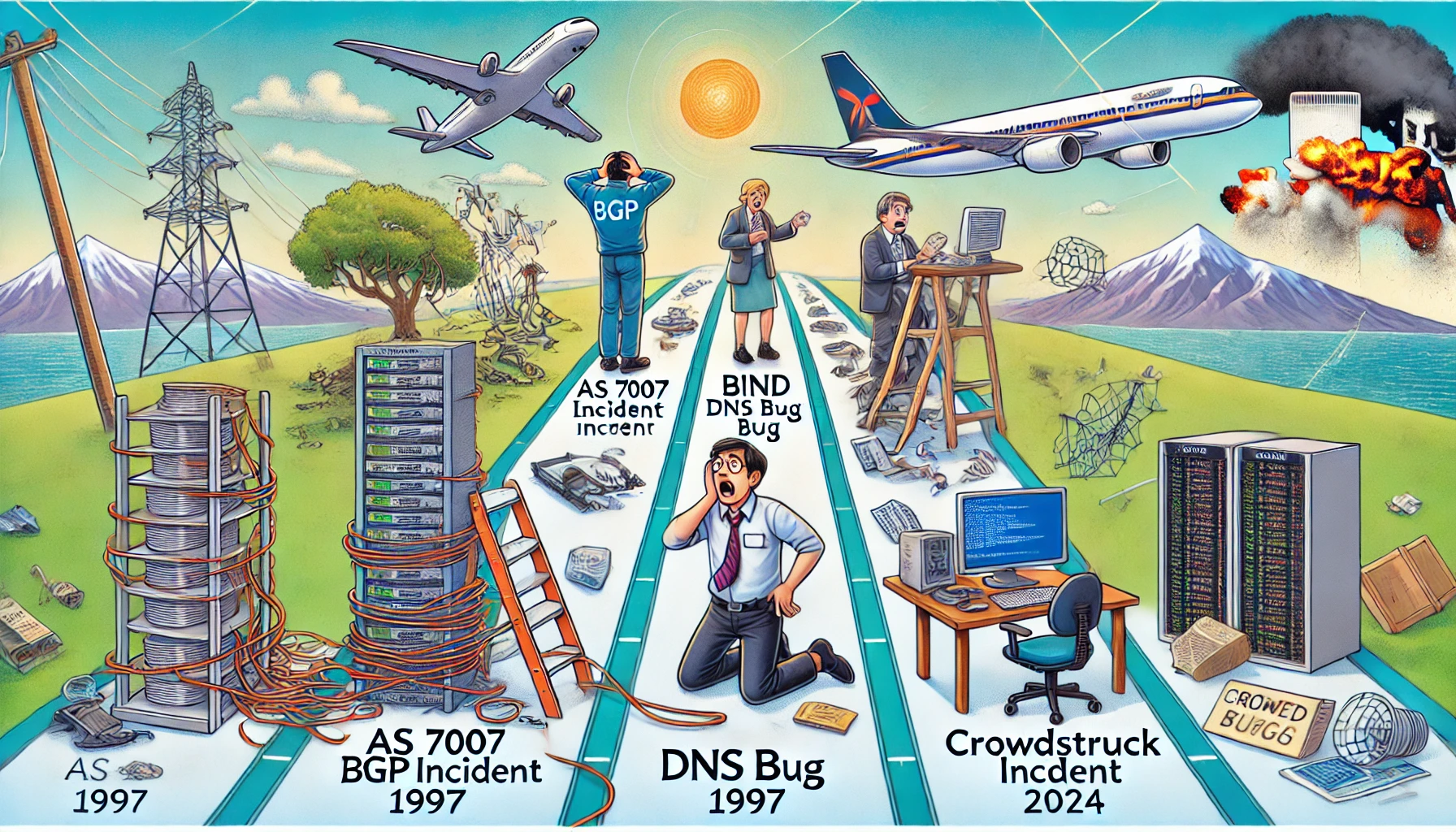
Ah, the internet. Our modern marvel, a tool of endless possibilities, and occasionally, a gigantic, flaming dumpster fire of confusion and chaos. As someone who’s been around to witness the legendary internet catastrophes of 1997 and the recent CrowdStrike debacle of 2024, allow me to take you on an amusing stroll through these digital disasters. Strap in, because it’s going to be a bumpy ride!

The AS 7007 Incident: April 25, 1997

It was a simpler time. The Spice Girls were telling us what we really, really wanted, and the internet was still in its awkward teenage phase. Enter AS 7007, a small ISP in Florida that decided it wanted to be the most popular kid in school—by announcing to the entire internet that it was the best route for every IP address. For a few hours, this misconfiguration turned the global internet into a confused, congested mess. Network engineers around the world were in a panic, trying to untangle the spaghetti mess of routing paths. It was a lesson in humility and the importance of double-checking your BGP configurations. Think of it as the internet’s version of giving everyone the wrong postcode, causing global mail chaos.

The BIND Bug: July 17, 1997

As if 1997 hadn’t had enough excitement, we got hit again, this time by a software bug in the Berkeley Internet Name Domain (BIND). This bug caused DNS servers to fail at their one job: resolving domain names to IP addresses. Suddenly, the internet was like a librarian who had lost the index cards to every book in the library. Websites? Good luck finding them. It was a frustrating day of “server not found” errors, and a stark reminder that even the backbone services of the internet needed regular health check-ups. Imagine trying to explain to your boss that the internet was broken because the digital equivalent of the librarian had gone on strike.

The CrowdStruck Incident: July 19, 2024

Fast forward to the age of cloud computing, IoT, and AI, and you’d think we’d have it all figured out. Think again. On July 19, 2024, CrowdStrike, the cybersecurity giant, rolled out an update to its Falcon sensor for Windows. Intended to beef up security, this update instead turned millions of computers into paperweights, crashing them with a blue screen of death. Flights were grounded, financial transactions halted, and IT professionals around the globe had a collective meltdown. The issue? A logic error in a configuration file. The fix? Manually rebooting and repairing each affected system—a Herculean task in today’s hyper-connected world. Yes, ladies and gentlemen, we had an epic fail on our hands, proving once again that BCDR (Business Continuity and Disaster Recovery) plans are not just for show.

Lessons Learned (Or Not)

What do these incidents teach us? First, that the internet, in all its glory, is still a fragile construct. Whether it’s a misconfigured router, a buggy DNS server, or a faulty security update, it takes just one tiny error to bring down vast swathes of our digital infrastructure.

Second, redundancy and robust recovery plans are not just nice-to-haves—they’re essential. The 1997 outages were a wake-up call for better network management practices, while the 2024 CrowdStrike incident underscored the need for rigorous testing and swift crisis response mechanisms. If ever there was a time to brush up on your GRC (Governance, Risk, and Compliance) strategies, this was it. Remember, having a Plan B (or C, or D) is what keeps the lights on when everything else goes dark.

Finally, transparency and communication are key. During each of these crises, confusion and misinformation compounded the problems. Clear, timely updates and accessible explanations can make all the difference in managing the fallout and restoring trust. And let’s face it, nothing screams “we’ve got this under control” like a well-crafted email explaining why your system has gone belly-up.

So here’s to the next generation of IT professionals: may you learn from our past mistakes, build stronger systems, and always, always triple-check your configurations. And to my fellow veterans of the digital trenches—raise a glass, because we’ve seen some things, haven’t we?

Stay connected, stay vigilant, and remember: the next internet meltdown is just a misconfigured update away. Cheers!