How Microsoft is Redefining Digital Security

For decades, passwords have been both a necessity and a burden, we ask is it time for passwordless authentication?

They were meant to be the keys that kept our digital worlds secure, yet they have long been the weakest link in the security chain.

Who hasn’t struggled to remember a complex string of characters only to use the same password across multiple accounts?


Cybercriminals have exploited this flaw relentlessly, leading to data breaches, financial fraud, and the erosion of trust in online systems.

But what if passwords were no longer necessary? What if we could authenticate ourselves in a seamless and far more secure way?

Microsoft believes that the future is already here.

A World Without Passwords

The concept of a passwordless world may seem like science fiction, but it’s quickly becoming a reality. Microsoft has been laying the groundwork for years, developing authentication methods that don’t rely on easily compromised credentials. Now, the company is urging businesses and individuals to embrace a new era where security doesn’t come at the cost of convenience.

The shift away from passwords isn’t just a technological evolution; it’s a necessary response to a growing crisis. Statistics paint a bleak picture: 80% of hacking-related breaches are due to compromised credentials. Phishing attacks are more sophisticated than ever, and traditional password policies—requiring frequent changes, special characters, and unique strings—often lead users to create weak, easily guessed passwords instead.

The New Standard: Passwordless Authentication

So, how does a world without passwords work? Microsoft has introduced several technologies that make authentication both more secure and effortless:

  • Windows Hello – Biometric authentication using facial recognition or fingerprints to log in instantly.
  • Microsoft Authenticator – A mobile app that replaces passwords with secure push notifications.
  • FIDO2 Security Keys – Physical security keys that verify identity without a password.
  • Passkeys – A next-generation authentication method that eliminates the risk of phishing and credential theft.

Each of these technologies is built on the principle that authentication should be stronger and more straightforward. Instead of relying on something you know (a password), they use something you have (a device) or something you are (biometric data). The result? A significantly reduced attack surface for cybercriminals.

Why Businesses Must Take Note

For businesses, the transition to passwordless authentication isn’t just an opportunity—it’s an imperative. The financial and reputational costs of a data breach can be catastrophic, and weak password practices remain the single largest vulnerability. By adopting passwordless solutions, companies can:

  • Reduce security risks – Eliminating passwords removes a common attack vector for hackers.
  • Lower IT costs – Helpdesk requests for password resets are a drain on time and resources.
  • Enhance user experience – Employees and customers benefit from a smoother, frictionless authentication process.

In industries where compliance and security are paramount—such as finance, healthcare, and legal—passwordless authentication is not just a convenience; it’s a necessity. Organisations that fail to adapt risk being left behind in an increasingly hostile cybersecurity landscape.

How to Make the Transition

The good news is that Microsoft has made the transition to passwordless authentication more accessible than ever. Businesses can take the following steps to begin their journey:

  1. Enable Windows Hello for Business – Modern devices support biometric authentication, eliminating the need for passwords.

  2. Deploy Microsoft Authenticator – Employees can use push notifications for quick and secure sign-ins.

  3. Adopt FIDO2 Security Keys – USB or NFC-based security keys add an extra layer of protection.

  4. Implement Conditional Access Policies – Define security requirements to ensure only the right people can access critical systems.

For organisations already leveraging Microsoft 365 and Azure Active Directory, passwordless authentication is a natural progression towards a more secure infrastructure.

A Future Without Passwords

The days of remembering and resetting passwords are numbered. Microsoft’s push towards passwordless authentication signals a shift in how we approach digital security—prioritising ease of use and robust protection. The writing is on the wall: businesses that continue relying on traditional password-based security will fight a losing battle against cyber threats.

At Equate Group, we help businesses implement cutting-edge security solutions, including Microsoft’s passwordless technologies. If your organisation is ready to step into the future and leave passwords behind, now is the time to act.

The future of authentication is here. Are you ready to embrace it?
Cybersecurity is no longer a luxury reserved for large corporations. Every business, no matter its size, faces cyber threats. Cyber Essentials, the UK government’s flagship cybersecurity scheme, is designed to arm your business with a robust set of protections against the most common attacks. And if you think cyber criminals aren’t interested in your business, think again.

The Cyber Essentials Impact Evaluation reveals that certified organisations are significantly better off. They are better positioned to handle attacks, with the programme mitigating “up to 99% of internet-originating vulnerabilities” GOV.UK.

Think of it this way: without Cyber Essentials, your business is like a house with no locks—open and vulnerable to opportunistic thieves.

But Cyber Essentials isn’t just about defence. It’s about confidence. The evaluation found that 91% of certified businesses reported feeling more secure about their cyber posture. Whether you’re in retail, healthcare, or any other industry, being confident in your ability to repel cyber-attacks is crucial for operational continuity.

Is Cyber Essentials Worth It? The True Value of Cyber Defence

Let’s talk cost. Is Cyber Essentials worth the investment? The answer is a resounding yes. The Cyber Essentials Impact Evaluation confirms that businesses that certify reduce their risk of breach significantly and experience fewer cyber insurance claims GOV.UK.


Fewer breaches mean less downtime, fewer legal issues, and most importantly, lower costs. So, when you look at the upfront investment, it’s easy to see how it pays for itself many times over.


If you’re still on the fence, consider this: what is the cost of doing nothing? Cybercriminals don’t care if your business is small or lacks a dedicated IT team. They look for vulnerabilities—any weak spot to exploit. Cyber Essentials fills those gaps. Not getting certified is like playing with fire; it’s not a matter of if you’ll get burned but when.

Cyber Essentials and the 5 Key Controls that Fortify Your Defence

Cyber Essentials is built around five core controls, each designed to address specific weaknesses that cybercriminals often exploit. Think of these as the foundation of a sturdy digital fortress:

  1. Firewalls: Your first line of defence. They decide what enters and exits your network, keeping malicious actors out while letting the good traffic in.
  2. Secure Configuration: This ensures your systems are properly set up and secured from the moment they go online. Leaving your systems on default settings is like moving into a house and leaving the front door wide open.
  3. User Access Control: Only those who need access to sensitive areas of your network should have it. It’s like making sure the keys to your safe are only in trusted hands.
  4. Malware Protection: Protecting your business from viruses, spyware, and other malicious software is like installing a security system that detects and prevents unwanted intrusions.
  5. Patch Management: Regularly updating your software is essential. The Cyber Essentials Impact Evaluation warns that out-of-date systems are a hacker’s best friend GOV.UK. Think of patches like regular maintenance on your car—they prevent breakdowns and ensure everything runs smoothly.

By implementing these five simple but powerful controls, you can reduce your exposure to the vast majority of attacks. It’s not about complicated IT theory—it’s practical, common-sense defences that make a real difference.

The Business Benefits of Cyber Essentials: More Than Just Security

Cyber Essentials isn’t just about reducing the risk of attack. It also offers a competitive edge. The Cyber Essentials Impact Evaluation shows that certified businesses gain more trust from customers and are more likely to win contracts GOV.UK

In sectors where security is crucial—like finance, healthcare, and government contracting—being Cyber Essentials certified could be the deciding factor in whether you land a deal.

And it’s not just customers who are paying attention. Increasingly, supply chains are demanding higher levels of cybersecurity from their partners. Cyber Essentials is the proof that you’re serious about protecting data. The evaluation revealed that certification played a “crucial role in securing contracts and retaining clients” for many businesses GOV.UK

In today’s digital world, trust is everything. If your clients can’t trust you with their data, they’ll go elsewhere.

The Future of Cyber Threats: Why You Need to Stay Ahead

If you think today’s cyber threats are bad, buckle up for 2025 and beyond. The Cyber Essentials Impact Evaluation paints a clear picture—cybercriminals are getting smarter and their attacks more sophisticated GOV.UK

It’s no longer enough to rely on basic antivirus software or hope that you won’t be targeted. Hackers are constantly evolving their tactics, and businesses need to keep up.

This is where Cyber Essentials comes into its own. It’s designed to grow with the threat landscape, evolving to address new vulnerabilities as they arise. By getting certified now, you’re not just protecting against today’s attacks—you’re future-proofing your business for tomorrow’s threats. The evaluation highlights how certified businesses are far better prepared to withstand future cyber-attacks GOV.UK

Cybersecurity isn’t a one-and-done deal. It’s an ongoing commitment to keeping your business safe. And that’s exactly what Cyber Essentials delivers.

Cyber Essentials: A Smart Investment with Strong ROI

When considering the cost of Cyber Essentials, think of it as an investment, not an expense. The Impact Evaluation confirms that businesses with Cyber Essentials saw “significant reductions in cyber insurance claims” GOV.UK

This isn’t just about ticking a box for compliance—it’s about protecting your bottom line. Reduced claims, fewer breaches, less downtime—it all adds up to a healthier business.

The price of certification pales in comparison to the potential financial and reputational damage of a data breach. According to the report, businesses that fail to implement basic cybersecurity measures often pay the price in terms of lost revenue and customer trust. On the flip side, certified businesses not only reduce their risk but also enjoy better pricing on cyber insurance policies.

Cyber Essentials: Your Key to a Secure Future

Cyber Essentials isn’t just a government scheme—it’s your gateway to a more secure and successful future. If you’re not certified, you’re leaving your business open to attack. The Cyber Essentials Impact Evaluation shows that this scheme can dramatically reduce your risk, boost customer confidence, and future-proof your business GOV.UK


But here’s the thing—you don’t have to tackle this alone. At Equate Group, we specialise in helping businesses navigate the certification process with ease. From initial assessments to full implementation, we guide you through every step, ensuring your business is fully protected. Whether you’re looking to start from scratch or need to overhaul your current cybersecurity measures, we’ve got you covered.

Contact Equate Group today to learn more about how Cyber Essentials can safeguard your business and give you the competitive edge you need in today’s fast-changing digital world. Don’t wait for a cyber attack to knock on your door—act now, and lock it down before it’s too late.

Secure your organisation today!

Learn more about how Cyber Essentials can safeguard your business and give you the competitive edge you need in today’s fast-changing digital world

Get Started now!

You hire an IT contractor. Then, you discover they’re actually a North Korean hacker. They are stealing company data while sending cheerful updates. That’s precisely what occurred recently. It reminds us all of the growing risks linked to offshore IT support. It also highlights the dangers of unvetted employees.

At Equate Group, we take these risks seriously. All our employees are based close to HQ. They undergo CRB checks. They also join in daily all-hands meetings. Remote users must have cameras on. In today’s world, proper employee screening is critical—if you want to avoid your next IT hire being a security nightmare.

Why Offshore IT Support Can Be a Costly Mistake

Hiring offshore IT services often seems like a brilliant idea—saving money while getting work done remotely. But, as many businesses have learned the hard way, cheaper isn’t always better. Especially when your new IT contractor turns out to be working for a rogue nation and siphoning off your data.

Take, for example, the case of a company that unknowingly hired a North Korean hacker. This cybercriminal worked for the company for four months. He used remote access tools to steal sensitive data. Then he hit the business with a six-figure ransom demand. Sound like a nightmare? That’s because it is.

Real-World Example: The North Korean IT Worker Scam

This wasn’t a one-off incident either. Since 2022, experts have been waving red flags about North Korean operatives posing as remote IT contractors. They’ve infiltrated companies, faked resumes, and caused serious breaches. Even major companies, including KnowBe4, a cybersecurity firm, hired an IT worker. This worker promptly began installing malware once they gained access to the systems.

Do you really want to be next?

The Real Dangers of Offshore and Nearshore IT Support

Opting for offshore IT outsourcing or even nearshore support can be a massive gamble. Here’s why:

  1. Unreliable Background Checks: Verifying the credentials of offshore workers is challenging. This is particularly true in countries where you can’t easily access records. Additionally, contacting reliable references is difficult.
  2. Jurisdictional Issues: When things go wrong, your legal options are limited. It’s difficult to pursue a rogue contractor in a country with no extradition treaty or effective cybercrime laws.
  3. Insider Threats: Once you give access to your network infrastructure or sensitive data, these contractors can exploit your trust. This can cause irreparable damage.
  4. Remote Work Oversight: Even in nearshore IT support arrangements, workers are geographically closer. Nevertheless, the lack of real-time supervision makes it easier for malicious actors to go unnoticed.

Protecting Your Business: A Better Way

At Equate, we know that security starts with vetting employees properly and monitoring access to your systems. Our team lives near our HQ, ensuring we have face-to-face relationships with our staff. Every employee passes a CRB check, and we keep transparency through daily all-hands meetings with cameras on. Because, honestly, if someone won’t show their face, what else they be hiding?

Here are some critical steps your business can take:

  • Implement Comprehensive Screening: Whether you’re hiring onshore or offshore, background checks are essential. Verify employment history, check references, and confirm qualifications—don’t take resumes at face value.
  • Monitor Remote Workers: Tools that track access and activity are crucial. They help keep tabs on what remote workers are doing with your systems. Set up alerts for suspicious behaviour, like large data downloads or unauthorised access attempts.
  • Limit Access Rights: Don’t give full access to your IT infrastructure unless it’s absolutely necessary. Keep permissions as restrictive as possible and regularly audit access rights.
  • Incident Response Plan: If you suspect you’ve hired a rogue contractor, having an immediate action plan is critical. This includes cutting off access to systems and ensuring that sensitive data remains secure.

Why Equate Is Different

At Equate Group, we’re committed to security and transparency. All of our staff live locally, so we can keep close tabs on who has access to sensitive information. Each employee passes a stringent CRB check. This ensures they’re trustworthy. Everyone takes part in daily all-hands meetings with cameras on. This practice ensures accountability. In short, we know exactly who’s handling your IT systems—no hidden faces, no surprises.

Conclusion: Don’t Gamble With Your Business

The allure of offshore IT outsourcing seems tempting when you’re looking to save on costs. But as companies hit with cyber breaches have learned, that bargain comes with a hefty price tag.

By sticking to local hires, you can avoid costly mistakes. Invest in proper employee screening to enhance security. Also, stay vigilant with remote work monitoring to keep your business secure.

If you’re serious about securing your business against insider threats, data breaches, and rogue IT contractors, contact Equate Group today. Let’s keep your IT infrastructure safe and sound. We offer trusted, accountable professionals. They won’t send your data halfway across the globe for ransom. And we will always turn up to meetings with our Cameras on.

The UK faces a major technological overhaul. The upcoming shutdown of both the 3G mobile network and traditional copper landlines is more than just a shift in infrastructure—it’s an opportunity to modernise your business and stay ahead of the competition. Failing to act quickly could leave your business scrambling to adapt at the last minute, causing disruption, downtime, and potential revenue loss. But here’s the good news: you can ensure a smooth transition and gain a competitive edge by acting now.

At Equate Group, we’ve helped countless businesses future-proof their operations, and we’re ready to do the same for you. With the impending switch-offs, we’re here to make sure your business stays connected and primed for growth. Let’s break down why this change matters, and more importantly, how you can benefit from it.

The Big 3G Switch-Off: What It Means for You

The 3G network, once revolutionary, is being phased out by the end of 2024. It’s a necessary move to make room for faster, more powerful 4G and 5G networks. If your business still relies on 3G for devices like payment terminals, security systems, or older IoT (Internet of Things) tech, this switch-off could disrupt critical operations. Imagine the chaos of a retail business unable to process payments or a logistics company losing real-time tracking capabilities because their devices are suddenly obsolete.

Now, imagine how easily you could avoid this situation. Equate Group specialises in assessing your current infrastructure, identifying any 3G-dependent technology, and providing seamless upgrades to 4G and 5G solutions. Why wait for a problem to arise when you can be ahead of the curve?

Why 5G is the Future—and Why You Should Care

5G isn’t just another upgrade; it’s a transformation. With speeds up to 100 times faster than 4G and significantly lower latency, 5G allows businesses to adopt cutting-edge solutions that enhance efficiency and productivity. Whether it’s enabling real-time data processing for IoT devices or supporting next-gen technologies like augmented reality (AR), 5G will reshape how you operate.

For industries like healthcare, transport, and manufacturing, where every second counts, the benefits of 5G are clear. But even if your business is more traditional, upgrading to 5G could streamline operations, boost customer experiences, and give you the flexibility to adapt to future technologies.

Equate Group understands that every business is unique, which is why we don’t offer one-size-fits-all solutions. We’ll assess your specific needs, recommend the best 5G upgrades, and ensure a smooth transition. Our experts will also train your team, ensuring you maximise the potential of your new technology.

The Copper Line Switch-Off: What You Need to Know

The copper telephone lines that have connected businesses for over a century are also being replaced by fibre-optic lines. While this may sound like a daunting change, the benefits of fibre are undeniable: faster speeds, more reliable connections, and the ability to handle the data demands of modern business.

For those still using copper-based broadband or analogue phone systems, the switch to fibre isn’t just a nice-to-have—it’s a necessity. Failing to upgrade will result in service interruptions and reduced efficiency, especially as the digital landscape continues to evolve.

The Equate Group team is highly experienced in transitioning businesses from outdated copper systems to future-proof fibre networks. We manage everything from initial assessments to final installations, so you can focus on running your business while we handle the technical details.

What This All Means for Your Business

Both the 3G and copper line switch-offs are part of a larger effort to modernise the UK’s digital infrastructure. If your business embraces this change early, you can ensure smoother operations and increased reliability, positioning yourself as a leader in your industry.

However, waiting until the last minute to upgrade could lead to unforeseen complications and costs. Businesses that don’t prepare for these changes may experience serious disruptions, from dropped calls to payment failures, potentially damaging your reputation and costing you customers.

But here’s where the opportunity lies. By acting now, you’ll not only avoid these issues but also place your business at the forefront of digital transformation. Equate Group offers tailored solutions to ensure your systems are ready for the future. We’re not just here to help you keep up—we’re here to help you get ahead.

Act Now: Avoid the Disruption, Reap the Benefits

The shift to 5G and fibre networks is inevitable, but how your business handles it is up to you. Rather than waiting until your systems fail or scrambling to upgrade after the switch-off, you can take proactive steps to ensure a seamless transition.

When you partner with Equate Group, you’re not just investing in a service—you’re investing in the future of your business. We’ll audit your current technology, provide expert recommendations, and manage the entire upgrade process, allowing you to focus on what you do best. Our solutions are scalable, meaning we can support you whether you’re a small business or a large enterprise.

Let’s be honest: the businesses that embrace these changes now will have a significant advantage over those that wait. So, are you ready to future-proof your operations and stay ahead of your competitors? The time to act is now.

Contact Equate Group today to discuss how we can help you navigate the 3G and copper line switch-offs and ensure your business is ready for the next generation of connectivity. Don’t let these changes catch you off guard—let us help you turn them into an opportunity for growth.

Want to know more request a FREE consultation below.

How Carpetright’s Cyber Breach Could Have Been Avoided: A Call to Action for Businesses

In today’s interconnected digital landscape, the threat of cyberattacks is no longer a distant possibility but an ever-present danger. The recent cyber breach at Carpetright, one of the UK’s leading flooring retailers, serves as a stark warning to businesses everywhere. This breach didn’t just disrupt operations—it exposed significant vulnerabilities that could have been mitigated with the right cybersecurity measures in place.

The Carpetright Cyber Breach: A Cautionary Tale

Carpetright’s cyber breach was not just an isolated incident; it was a loud wake-up call. The attack, which led to operational disruptions and potential data compromises, highlighted the critical need for robust cybersecurity frameworks. For businesses that may think, “It won’t happen to us,” the Carpetright breach is a clear message: It can, and it might.

But the real story here isn’t just about what happened to Carpetright. It’s about what could have been done to prevent it, and more importantly, what your business can do to ensure it doesn’t face a similar fate.

What Went Wrong: The Need for a Structured Cybersecurity Approach

The breach at Carpetright underscores the importance of adopting recognised cybersecurity frameworks such as Cyber Essentials and NIST (National Institute of Standards and Technology) Cybersecurity Framework. These frameworks provide a structured approach to cybersecurity, offering guidelines and best practices that can help businesses protect their digital assets and respond effectively to cyber threats.

Carpetright’s breach likely stemmed from vulnerabilities that could have been addressed by adhering to these frameworks. Both Cyber Essentials and NIST focus on key areas such as identifying risks, protecting systems, detecting threats, responding to incidents, and recovering from breaches. The absence of such structured approaches leaves businesses exposed, increasing the likelihood of successful attacks.

Cyber Essentials: A Basic Defence for UK Businesses

Cyber Essentials is a UK government-backed scheme designed to help organisations protect themselves against common cyber threats. It provides a clear set of guidelines that, when followed, can significantly reduce the risk of a breach.

If Carpetright had implemented the Cyber Essentials framework, it would have covered five critical areas:

  1. Firewalls: Ensuring that only safe traffic can access the network.
  2. Secure Configuration: Ensuring that systems are configured in the most secure way possible.
  3. User Access Control: Ensuring that only authorised users can access systems.
  4. Malware Protection: Ensuring that anti-virus and anti-malware solutions are in place.
  5. Patch Management: Ensuring that software is kept up-to-date with the latest security patches.

These basic yet essential practices could have been the first line of defence against the breach. For any business, adopting Cyber Essentials is not just about compliance; it’s about building a foundation of security that protects both the company and its customers.

NIST Cybersecurity Framework: Building a Robust Cybersecurity Posture

The NIST Cybersecurity Framework, developed in the United States but adopted globally, offers a more comprehensive approach to cybersecurity. It goes beyond the basics, providing a flexible framework that helps organisations of all sizes manage and reduce cybersecurity risk.

The NIST framework focuses on five core functions:

  1. Identify: Understanding and managing cybersecurity risks to systems, assets, data, and capabilities.
  2. Protect: Developing and implementing appropriate safeguards to ensure delivery of critical services.
  3. Detect: Developing and implementing activities to identify the occurrence of a cybersecurity event.
  4. Respond: Developing and implementing activities to take action regarding a detected cybersecurity event.
  5. Recover: Developing and implementing activities to maintain resilience and restore capabilities impaired during a cybersecurity event.

Had Carpetright incorporated the NIST framework, it could have had the systems in place to not only prevent the breach but also to detect it quickly, respond effectively, and recover with minimal disruption.

The Domino Effect of Cyber Incidents

One of the most concerning aspects of the Carpetright breach was the domino effect it had on the company’s operations. The breach didn’t just compromise data; it brought business to a standstill. When IT systems are compromised, the consequences extend far beyond the immediate financial loss. Customer service, supply chain management, and even basic business functions can grind to a halt. The result? Lost revenue, eroded customer trust, and a tarnished brand reputation.

For any business, this should be a wake-up call. The digital age has brought countless opportunities, but it has also introduced new risks. To thrive in this environment, businesses must prioritise cybersecurity as a critical component of their overall strategy.

The Financial and Reputational Toll: Can Your Business Afford It?

The financial impact of a cyber breach can be staggering. Carpetright undoubtedly faced hefty costs associated with managing the breach—hiring cybersecurity experts, restoring systems, and communicating with affected customers. But the long-term financial implications could be even more damaging.

A breach can lead to lost sales, fines for non-compliance with data protection regulations, and the ongoing cost of improving cybersecurity measures. Then there’s the reputational damage. In a competitive market, where customer trust is paramount, a breach can be a death blow to a brand.

For your business, the question is clear: Can you afford the financial and reputational damage of a cyber breach? And more importantly, are you willing to take that risk?

A Better Approach: Proactive Cyber Resilience with Equate Group

The Carpetright breach teaches us one crucial lesson: cyber resilience is not optional—it’s essential. Cyber resilience is about more than just having a strong defence; it’s about being able to respond to and recover from cyber incidents quickly and effectively. And this is where Equate Group can make a difference.

Why Cyber Essentials and NIST Are Your Best Defence

At Equate Group, we understand the complexities of cybersecurity and the importance of adopting proven frameworks like Cyber Essentials and NIST. These frameworks are not just about ticking boxes—they are about creating a security posture that is proactive, comprehensive, and resilient.

By partnering with Equate Group, you can ensure that your business not only meets the requirements of these frameworks but also leverages them to build a stronger, more secure future. We specialise in helping businesses implement these frameworks in a way that aligns with their unique needs and challenges.

Why Wait? Take Action Now

The consequences of the Carpetright breach are clear: no business is immune, and the cost of inaction can be devastating. But the good news is, you don’t have to face these challenges alone. By partnering with Equate Group, you can ensure that your business is not only protected but resilient—ready to face any threat that comes your way.

Don’t wait for a breach to occur. Take proactive steps now to safeguard your business, protect your customers, and preserve your reputation. Contact Equate Group today and discover how we can help you build a stronger, more resilient future.

Conclusion: A Call to Action

The Carpetright cyber breach serves as a stark reminder of the importance of cybersecurity in today’s business environment. It highlights the need for proactive measures, robust defences, and effective incident response plans. But most importantly, it underscores the importance of having the right partner by your side.

At Equate Group, we are committed to helping businesses navigate the complexities of cybersecurity. We believe that every business deserves the peace of mind that comes with knowing they are protected. So why wait? Reach out to Equate Group today and take the first step towards securing your business’s future.

In the ever-evolving world of cybersecurity, inaction is the greatest risk. Let Equate Group be your safeguard against the unknown. Contact us now, and let’s build a future where your business can thrive without fear.

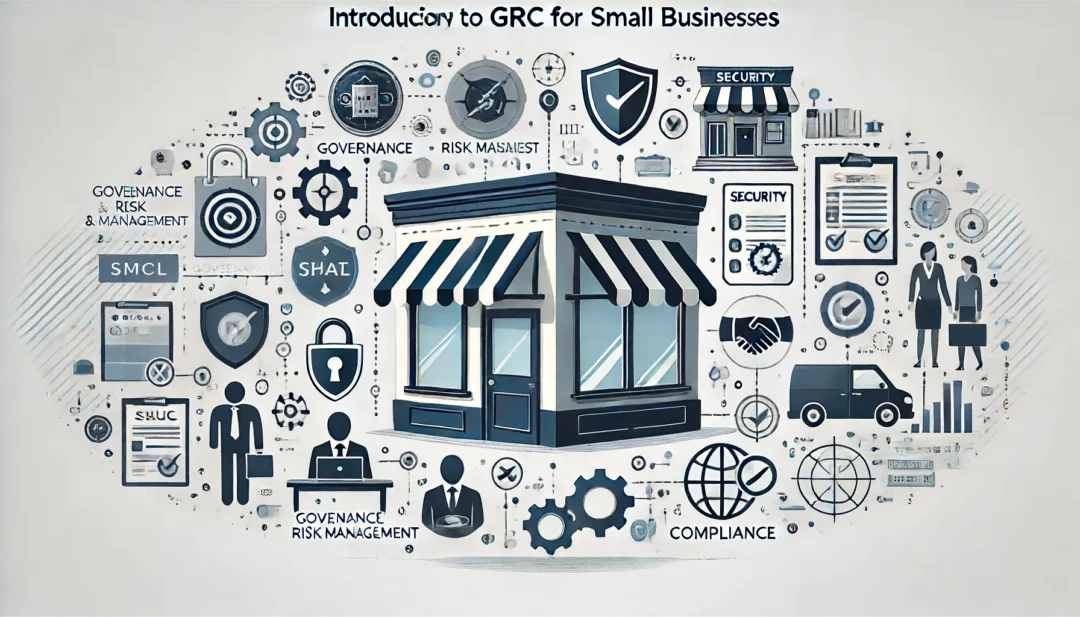
Introduction to GRC for Small Businesses

Mastering GRC: Empowering Small Businesses to Navigate Governance, Risk, and Compliance with Confidence

Introduction

In today’s rapidly evolving digital landscape, small businesses face unique challenges and risks that can significantly impact their operations and reputation. Governance, Risk Management, and Compliance (GRC) provide a structured approach to manage these challenges effectively. For small businesses, adopting frameworks like Cyber Essentials and Cyber Essentials Plus can be a game-changer. These certifications not only enhance security but also build trust with customers and protect the supply chain.

What is GRC?

Governance, Risk Management, and Compliance (GRC) is an integrated approach that ensures an organization meets its objectives, addresses uncertainties, and operates with integrity. Here’s a breakdown of each component:

  • Governance: Establishing policies and procedures that guide the organization’s strategic direction and operational activities.
  • Risk Management: Identifying, assessing, and mitigating risks to minimize potential negative impacts.
  • Compliance: Ensuring adherence to laws, regulations, and internal policies to avoid legal and financial penalties.

Importance of GRC for Small Businesses

Implementing a robust GRC framework is crucial for small businesses for several reasons:

  • Improved Decision-Making: With clear policies and risk assessments, businesses can make informed decisions that align with their goals.
  • Enhanced Operational Efficiency: Streamlined processes and proactive risk management improve overall efficiency.
  • Legal and Financial Protection: Compliance with regulations helps avoid costly fines and legal issues.
  • Building Trust and Reputation: Demonstrating commitment to governance and compliance builds trust with customers, partners, and investors.

Cyber Essentials and Cyber Essentials Plus

Cyber Essentials and Cyber Essentials Plus are UK government-backed certifications designed to help businesses protect themselves against common cyber threats. Here’s a brief overview:

  • Cyber Essentials: A self-assessment certification that helps businesses guard against the most common cyber threats and demonstrate their commitment to cybersecurity.
  • Cyber Essentials Plus: A higher level of certification that includes an independent assessment of the business’s security controls.

Benefits of Adopting Recognized Frameworks:

  • Protection Against Cyber Threats: Implementing these frameworks helps protect the company from the most common cyber attacks.
  • Customer Trust and Confidence: Certifications signal to customers that the business takes cybersecurity seriously.
  • Supply Chain Security: Protecting the supply chain by ensuring that all partners and vendors adhere to high security standards.