
Shiny new tech can be exciting! It promises increased efficiency, happier employees, and a competitive edge. It’s also necessary to stay competitive in today’s technology-driven business world.

But that promise can turn into a financial nightmare if you neglect two important things. These are employee training and change management. You can end up losing money simply because employees can’t use their technology.

When employees have trouble using their business tools, productivity drops. Mistakes can be made, and customer service can fall. Read on for common staff technology issues as well as the solutions.

Lack of Technology Training

Imagine investing in a top-of-the-line CRM system, then you see your sales team floundering instead of excelling. You were expecting the CRM to make their jobs easier, but they can’t find key features, struggle with data entry, and miss deadlines.

Why? Because they haven’t been properly trained on the new software. This scenario plays out in countless businesses. It leads to the following costs:

Lost Productivity

Employees fumbling with unfamiliar tech lose valuable work time. Imagine the lost sales opportunities if your team can’t process orders or can’t generate reports due to inadequate training on the new CRM.

Costly Errors

Confusion and frustration lead to mistakes. Inaccurate data entered into the new system requires time and money to fix. This impacts budgets and potentially damages client relationships.

Demotivation and Resistance

Struggling with a new system is demoralizing. Untrained employees might resist using it altogether. They can cling to outdated (but familiar) methods. This hinders adoption and negates the benefits of the new tech.

Failing to Manage the Change

New technology disrupts workflows. Without proper change management, employees feel overwhelmed and insecure. Change management is looking at the “human” side of change. It’s about helping employees understand why things are changing as well as providing training, support, and other engagement. The goal is to help them transition successfully.

Organizations using change management are 67% more likely to achieve desired project outcomes.

When companies neglect change management, the following can happen.

Low Morale

Change can be stressful. Employees can feel lost and undervalued, especially due to a lack of clear communication and support during the transition. This can lead to low morale and a negative work environment.

Shadow IT

Employees may feel the new system isn’t meeting their needs. This can cause them to resort to using unauthorized tools (shadow IT). This creates security risks and undermines the investment in the new technology.

Resistance to Future Improvements

A negative experience with a tech rollout can make employees wary of future changes. This can hinder innovation as well as make it difficult for the company to adapt to evolving market trends. Without change management, employees tend to get “change fatigue.” This can make them less productive.

Building a Bridge to Success

The key to unlocking the true value of new technology? It lies in effective training and change management. Here’s how to avoid the negative costs and get the full benefits from your tech.

Invest in Comprehensive Training

Don’t treat training as an afterthought. Yes, some tools say they’re easy to use, but people have different tech literacy levels. Some may pick up things quickly, but many don’t. There’s no replacement for targeted training on a business application.

Develop a tailored training program that goes beyond basic features. Include video tutorials, hands-on workshops, and ongoing support resources. This helps everyone feel comfortable using the new tools.

Focus on User Adoption, Not Just Features

Training shouldn’t just explain how the software works. It should focus on how the new system will benefit employees in their daily tasks as well as improve
workflow efficiency. If employees don’t adopt the tech well, you don’t see its full benefits.

Embrace Change Management

Communicate the “why” behind the change. Explain how the new technology will make everyone’s jobs easier as well as ultimately benefit the company as a whole. Encourage open communication and address concerns throughout the transition.

The Takeaway

New technology is a powerful tool, but it’s only as valuable as its users. Prioritize employee training and change management. This will help you bridge the gap between a shiny new system and a real return on investment.

Happy, well-trained employees using the right tools are your secret weapon. They can help you maximize efficiency, boost morale, and stay ahead of the curve. Don’t let a lack of training turn your tech upgrade into a financial drain.

Need Help With Technology Training?

Efficiency and productivity improvements are the goals of most technology transformations. We can help you meet your tech goals with staff training. We can tailor training and support to your needs, as well as helping your team excel with new tech and existing tools.

Are you ready to discuss a tailored tech training plan for your staff?

Contact us today to learn more.

Featured Image Credit

This Article has been Republished with Permission from .

This month’s Patch Tuesday update is here, packed with enough fixes and features to make any IT professional swoon.

Let’s examine what’s included and why it matters, using humor to keep things light.

Windows 10 Updates (Versions 21H1 and 21H2)

OS Builds 19044.4651 and 19045.4651:

Security Fixes:

  • Remote Code Execution (RCE): Stopping remote villains from running rogue code.
  • Privilege Escalation: Keeping the power in the right hands.
  • Information Disclosure: No more accidental secrets slipping out.
  • Denial of Service (DoS): Fortifying defenses against DoS shenanigans.

Performance Enhancements:

  • System Stability: Fewer crashes, more zen.
  • Speed Optimization: Turbocharging your operations.

Bug Fixes:

  • User Interface: Smoother sailing through your UI.
  • Application Compatibility: Ensuring harmony with third-party apps.

Specific Patches:

  • Kernel Updates: Beefing up the core defenses.
  • Edge Browser: Securer surfing.
  • Remote Desktop Protocol (RDP): Safeguarding your remote connections.
  • Windows Update Components: Making updates less of a chore.
  • .NET Framework: Fixing those pesky .NET issues.
Windows 11 Updates

OS Builds 22621.3880 and 22631.3880:

Security Updates:

  • RCE Vulnerabilities: Locking down remote execution loopholes.
  • Privilege Escalation: Preventing unauthorized power grabs.
  • Information Disclosure: Keeping your data under wraps.
  • DoS Mitigations: Boosting resilience against service disruptions.

Feature Improvements:

  • System Performance: Smoother, faster, better.
  • User Interface Fixes: Enhancing your digital workspace.

Bug Fixes:

  • Compatibility Updates: Ensuring smooth operation with various apps.
  • Reliability Enhancements: General system improvements.

New Features:

  • Game Pass Recommendation Card: Bringing game suggestions to your settings.
  • Show Desktop Button: Making a triumphant return to the taskbar.
  • File Compression: Now you can create 7-Zip and TAR files right from the context menu.
  • Emoji 15.1 Support: More emojis, more expression.
  • File Copying from Share Window: Convenient copy button for easy transfers.
  • Account Manager on Start Menu: Quick access to account benefits and settings.
  • Improved File Selection Visibility: Easier to see what you’ve selected in File Explorer.
  • Advanced Copilot Experience: Pinning Copilot to the taskbar for easier access.
  • Virtual Filtering Platform Enhancements: Better packet drop collection for troubleshooting.
  • Task Manager Process Sorting: Improved performance for sorting processes.
  • DDR Speed Units Change: From MHz to MT/s for more accurate readings.
  • OneDrive as RemoteApp: Use OneDrive in Azure Virtual Desktop like a pro.

Why It Matters:

  1. Enhanced Security: Shields your systems from the latest cyber threats.
  2. Improved Compliance: Ensures you’re ticking all the regulatory boxes.
  3. Optimized Performance: Smooth, efficient, and reliable system operations.

How Equate Can Help:

  1. Timely Implementation: Quick and precise update applications.
  2. Comprehensive Risk Assessment: Ongoing vulnerability checks and update recommendations.
  3. Continuous Monitoring: Real-time threat detection and response.

Stay Ahead with Equate:

After Patch Tuesday comes Exploit Wednesday, where cybercriminals exploit unpatched systems. Don’t worry, Equate has your back:

  • Swift Patch Application: Minimizing your vulnerability window.
  • Training and Awareness: Keeping your team updated on best practices.

Partner with Equate for a secure, compliant, and efficient IT environment. Let us manage your patching and cybersecurity needs, so you can focus on what you do best.

Stay secure, and happy patching!

Cyberattacks are a constant threat in today’s digital world. Phishing emails, malware downloads, and data breaches. They can cripple businesses and devastate personal lives.

Employee error is the reason many threats get introduced to a business network. A lack of cybersecurity awareness is generally the culprit. People don’t know any better, so they accidentally click a phishing link. They also create weak passwords, easy for hackers to breach.

It’s estimated that 95% of data breaches are due to human error.

But here’s the good news, these mistakes are preventable. Building a strong culture of cyber awareness can significantly reduce your risks.

Why Culture Matters

Think of your organization’s cybersecurity as a chain. Strong links make it unbreakable, while weak links make it vulnerable. Employees are the links in this chain. By fostering a culture of cyber awareness, you turn each employee into a strong link. This makes your entire organization more secure.

Easy Steps, Big Impact

Building a cyber awareness culture doesn’t require complex strategies or expensive training programs. Here are some simple steps you can take to make a big difference.

1. Start with Leadership Buy-in

Security shouldn’t be an IT department issue alone. Get leadership involved! When executives champion cyber awareness, it sends a powerful message to the organization. Leadership can show their commitment by:

  • Participating in training sessions
  • Speaking at security awareness events
  • Allocating resources for ongoing initiatives

2. Make Security Awareness Fun, Not Fearful

Cybersecurity training doesn’t have to be dry and boring. Use engaging videos, gamified quizzes, and real-life scenarios. These keep employees interested and learning.

Think of interactive modules. Ones where employees choose their path through a simulated phishing attack. Or short, animated videos. Videos that explain complex security concepts in a clear and relatable way.

3. Speak Their Language

Cybersecurity terms can be confusing. Communicate in plain language, avoiding technical jargon. Focus on practical advice employees can use in their everyday work.

Don’t say, “implement multi-factor authentication.” Instead, explain that it adds an extra layer of security when logging in. Like needing a code from your phone on top of your password.

4. Keep it Short and Sweet

Don’t overwhelm people with lengthy training sessions. Opt for bite-sized training modules that are easy to digest and remember. Use microlearning approaches delivered in short bursts throughout the workday. These are a great way to keep employees engaged and reinforce key security concepts.

5. Conduct Phishing Drills

Regular phishing drills test employee awareness and preparedness. Send simulated phishing emails and track who clicks. Use the results to educate employees on red flags and reporting suspicious messages.

But don’t stop there! After a phishing drill, take the opportunity to dissect the email with employees. Highlight the telltale signs that helped identify it as a fake.

6. Make Reporting Easy and Encouraged

Employees need to feel comfortable reporting suspicious activity without fear of blame. Create a safe reporting system and acknowledge reports promptly. You can do this through:

  • A dedicated email address
  • An anonymous reporting hotline
  • A designated security champion employees can approach directly

7. Security Champions: Empower Your Employees

Identify enthusiastic employees who can become “security champions.” These champions can answer questions from peers. As well as promote best practices through internal communication channels. This keeps security awareness top of mind.

Security champions can be a valuable resource for their colleagues. They foster a sense of shared responsibility for cybersecurity within the organization.

8. Beyond Work: Security Spills Over

Cybersecurity isn’t just a work thing. Educate employees on how to protect themselves at home too. Share tips on strong passwords, secure Wi-Fi connections, and avoiding public hotspots. Employees who practice good security habits at home are more likely to do so in the workplace.

9. Celebrate Successes

Recognize and celebrate employee achievements in cyber awareness. Did someone report a suspicious email? Did a team achieve a low click-through rate on a phishing drill? Publicly acknowledge their contributions to keep motivation high. Recognition can be a powerful tool. It’s helps reinforce positive behavior and encourages continued vigilance.

10. Bonus Tip: Leverage Technology

Technology can be a powerful tool for building a cyber-aware culture. Use online training platforms that deliver microlearning modules and track employee progress. You can schedule automated phishing simulations regularly to keep employees on their toes.

Tools that bolster employee security include:

The Bottom Line: Everyone Plays a Role

Building a culture of cyber awareness is an ongoing process. Repetition is key! Regularly revisit these steps. Keep the conversation going. Make security awareness a natural part of your organization’s DNA.

Cybersecurity is a shared responsibility. By fostering a culture of cyber awareness your business benefits. You equip everyone in your organization with the knowledge and tools to stay safe online. Empowered employees become your strongest defense against cyber threats.

Contact Us to Discuss Security Training & Technology

Need help with email filtering or security rules setup? Would you like someone to handle your ongoing employee security training? We can help you reduce your cybersecurity risk in many ways.

Contact us today to learn more.


Featured Image Credit

This Article has been Republished with Permission from .

Introduction

In today’s fast-paced business world, staying compliant with laws and industry regulations isn’t just important—it’s crucial. A compliance programme minimises risk, boosts efficiency, and ensures your business operates smoothly. For many small and medium-sized businesses (SMBs), compliance can seem like a daunting task, especially without a dedicated compliance officer. Enter the Business Impact Analysis (BIA). A BIA measures the impact of disruptions on your critical business operations, ensuring you stay compliant and prepared for any eventuality.

Why You Can’t Ignore a Business Impact Analysis

Imagine your business running smoothly, and then suddenly, a disruption hits—be it a cyber incident, natural disaster, or operational failure. Without a BIA, you’re scrambling to understand what went wrong, how it affects your operations, and what to do next. A BIA is your roadmap in these situations. It identifies your critical processes, highlights vulnerabilities, and helps you prepare for recovery. It’s not just about protecting your business; it’s about safeguarding your supply chain and customers as well. Without a BIA, you’re leaving everything to chance.

The Critical Role of Cyber Essentials

Cyber threats are no longer a distant possibility; they are a daily reality. Achieving Cyber Essentials certification is no longer optional—it’s essential. This certification acts as your first line of defence against common cyber threats. It is increasingly required to tender for work with government and other public bodies, and it’s becoming a standard demand from insurance providers and major clients. Without it, your business could miss out on valuable contracts and partnerships.

Taking It a Step Further with Cyber Essentials Plus

Once you have Cyber Essentials, the logical next step is Cyber Essentials Plus. This advanced certification goes beyond the basic protections and includes hands-on technical verification. It demonstrates to your customers and supply chain that you take cyber security seriously. However, without the right help, the process can seem very daunting. This is where partnering with a seasoned IT service provider makes all the difference.

Reputation on the Line

Consider this: “It takes 20 years to build a reputation and few minutes of cyber-incident to ruin it,” says Stéphane Nappo. One cyber incident can lead to significant fines, data breaches, and loss of customer trust. Cyber Essentials certification helps you build a strong defence against these threats, protecting your reputation and giving your clients confidence in your security measures.

Beyond Compliance—Why a Third Party is Essential

Maintaining compliance and managing cyber risks on your own can feel like navigating a labyrinth blindfolded. It’s challenging, especially if you lack the right resources and expertise. Partnering with an experienced IT service provider simplifies this process. We can help you achieve foundational certifications like Cyber Essentials and Cyber Essentials Plus, ensuring you’re not just compliant but also secure. Our expertise means you can focus on what you do best—running your business—while we handle the complexities of compliance and cyber security.

Wrapping Up

In today’s business environment, achieving Cyber Essentials certification should be considered as mandatory as business insurance or other routine compliance requirements. It’s about more than just meeting regulations; it’s about protecting your business, your supply chain, and your customers. Cyber Essentials Plus is the logical second step, showing your customers and partners that you take cyber security seriously. Don’t wait for a cyber incident to realise the importance of compliance. Partner with us to ensure your business is secure, compliant, and ready for anything.

Contact us now to schedule a no-obligation consultation!

Let’s take the first step towards peace of mind, knowing your business, supply chains, and customers are protected and compliant.

The annual Consumer Electronics Show (CES) was an exciting one this year. It left us with a mind-blowing glimpse into the future of technology. CES 2024 showcased a smorgasbord of cutting-edge gadgets. Including transparent TVs and robot pet buddies. These gadgets promise to revolutionize our homes and the way we interact with the world.

With so much innovation on display, which products truly stood out as the coolest of the cool? Buckle up as we delve into the hottest highlights from CES 2024!

Beyond the Screen: Immersive Entertainment Takes Center Stage

CES is always a hotbed for mind-bending displays, and 2024 was no different. Here are some innovations that will redefine how we experience entertainment:

  • Samsung’s S95D OLED TV: Samsung touts it as the ultimate gaming TV. This device boasts the world’s first 4K 144Hz panel. It’s designed to enable gamers to react faster than ever. It delivers glare protection and has 20% higher brightness than last year’s model.
  • LG’s 4K Transparent OLED TV: Imagine a TV that blends in perfectly with any decor. This futuristic marvel from LG redefines the concept of a home theater. It has a 77-inch UHD transparent OLED display. The customizable design includes shelves of metal frame material. It’s designed to look like furniture, blending beautifully in any home.
  • TCL’s Mini LED TVs: TCL introduced the “world’s largest” mini LED TV. The 115-inch device is designed to exceed the highest performance standards. It has 20,000 Local Dimming Zones to bring otherworldly depth and detail.

These are just a taste of the mind-blowing display advancements showcased at CES. With each iteration, TVs are evolving into immersive portals for entertainment. They’re increasingly blurring the lines between reality and the digital world.

The Wellness Revolution: Gadgets for a Healthier, Happier You

CES isn’t just about entertainment. It’s also about harnessing technology to improve our well-being. Here are some health and fitness gadgets that caught our eye:

  • Evie Ring: This sleek, non-invasive ring is a game-changer for women’s health tracking. It monitors a wide range of important data. Including, sleep patterns, heart rate, blood oxygen levels, and menstrual cycles. The Evie Ring provides women with a holistic picture of their health. Plus, it looks great too!
  • BMind Smart Mirror: Get ready to transform your bathroom into a personalized sanctuary. This AI-powered mirror attunes to your energy levels. It responds through lights, sound, and display. It’s the first smart mirror to incorporate cutting-edge AI. It can interpret expressions, gestures, and language. BMind even has an AI-driven virtual mindfulness coach.
  • LIPCURE BEAM: Amorepacific touts this as the world’s first beauty tech. It offers personalized lip and makeup care. Sensors incorporated in the tool offer lip-related diagnosis and treatment. LIPCURE BEAM reacts to specialized light spectrum. It can fortify collagen fibers in lips as well as establish moisture barriers.

These are just a few of the exciting advancements in wellness tech showcased at CES. The exciting products also included non-invasive health trackers and interactive workout experiences. CES 2024 highlights how technology is becoming part of achieving a healthier lifestyle.

The Future is Here: Unveiling the Unexpected

CES also throws some curveballs. This includes showcasing innovative concepts that push the boundaries of technology. Here are a couple of “out there” products that generated a lot of buzz:

  • Samsung’s Self-Driving-based Home Buddy: Move over, Roomba! Samsung unveiled a Self-Driving-based Projection System. It is the soul of the Home Buddy robot projector. It enables Home Buddy to move about a home and cast projections of videos, apps, etc. on suitable surfaces. This technology hints at the future. One where robots become integrated helpers in our daily lives.
  • Mymanu CLIK Pro Immersive Translation Earbuds: Ever wanted to speak another language? Mymanu’s CLICK earbuds put powerful translation capabilities in your ears. It enables users to communicate in over 50 languages. It offers an immersive experience to break down language barriers.
  • ORo Dog Companion: Why should humans have all the robotic fun? Ogmen Robotics introduced ORo an autonomous robot to keep your pets company. It can play, deliver treats, and even has a medication dispenser. ORo also integrates with several smart pet accessories. For the owners, it creates video stories for fun social media sharing.

These “out there” concepts may not be hitting store shelves anytime soon. But they showcase the relentless pace of innovation in the tech world.

Need Some Help Securing Your Smart Home?

CES 2024 gave us a glimpse into the future. Where technology becomes even more integrated into our lives. While smart homes are convenient, they also pose risks. Especially when it comes to cybersecurity.

Do you need help ensuring your smart home is safe from hackers? Contact us today to learn how we can help.


Featured Image Credit

This Article has been Republished with Permission from .

Imagine a world where your lights turn on automatically as you walk in the door. Your coffee starts brewing before you even crawl out of bed. A simple voice command adjusts the temperature to your perfect setting.

This is no longer just something out of a sci-fi movie. Today’s smart technology seamlessly integrates with your daily life. It can create a more convenient, comfortable, and even secure living space.

But wait, haven’t smart homes always been synonymous with hefty price tags? Not necessarily. Some high-end smart home systems can indeed cost a small fortune. But building a smart home on a budget is absolutely achievable.

Here are some tips to transform your humble abode into a tech-savvy haven affordably:

The Wellness Revolution: Gadgets for a Healthier, Happier You

1. Start Small and Scale Up

You don’t need to overhaul your entire home at once. First, identify areas where smart tech can make a significant impact on your routine. For example, do you constantly forget to turn off the lights? Smart bulbs are a budget-friendly solution. They can automate lighting as well as sync with a voice assistant for hands-free control.

2. Think Beyond the Big Brands

Major tech companies dominate the smart home market. But there are many affordable alternatives from lesser-known brands that offer similar functionality. Explore online marketplaces. Read reviews to find smart plugs, sensors, and other devices that fit your needs and budget.

3. Embrace the Power of DIY

For the tech-savvy individuals out there, consider DIY smart home solutions. There are readily available kits that allow you to build your own smart switches or sensors. Look for readily available online resources. This approach does need some technical know-how. But it can be a rewarding way to create a customized smart home experience at a fraction of the cost.

4. Repurpose What You Already Have

Before you jump on the smart home bandwagon, take a good look around your house. Can you repurpose existing devices into smart devices? For instance, you can transform many older TVs into smart TVs. All they need is the help of a budget-friendly streaming device like a Chromecast or Fire Stick.

5. Get Crafty with Automation

There are creative ways to leverage existing technology to add a touch of smarts to your home. For example, you can use smart plugs to control table lamps or coffee makers. This creates a basic level of automation. You skip the need for expensive smart appliances.

6. Leverage Free Smartphone Apps

There are a ton of free smartphone apps that can add smart functionality to your home. Many don’t even need any extra hardware. Use sleep cycle tracking apps to mimic the sunrise and sunset. Download smart weather apps. Many can trigger adjustments to your thermostat based on the forecast.

7. Explore Open-Source Options

The open-source software community offers a treasure trove of possibilities. It’s a great place for budget-conscious smart home enthusiasts. Research open-source platforms like Home Assistant. They allow you to connect various smart devices from different brands. It puts them under one central hub. This eliminates the need for expensive proprietary systems.

8. Think Security First

While affordability is important, you should never compromise security. Do your research before purchasing any smart home device. Make sure they have proper encryption protocols and security updates in place. You want to ensure they protect your data and privacy.

9. Consider Subscription Services

Some subscription services deliver smart home functionalities. These services might offer bundled features. Such as cloud storage for security camera recordings. Or access to a wider range of voice assistant routines. Carefully check the subscription costs. Weigh them against the value they provide before signing up.

10. Be Patient and Play the Long Game

Building a smart home on a budget is a marathon, not a sprint. Take your time. Research different options and focus on the features that matter most to you. New and more affordable smart home products often hit the market. You can gradually add functionality and create your dream smart home one step at a time.

By following these tips, you can transform your home into a smart haven without breaking the bank. A smart home doesn’t have to be about the latest gadgets and gizmos. It’s about utilizing technology to enhance your comfort, convenience, and security. And doing it in a way that fits your lifestyle and budget.

Need Help Building a Savvy Smart Home Network?

Are you looking for a smart home guru to help you build your dream? Our expert team is pleased to help. We’ll work with you to plan an affordable smart home deployment as well as providing expert security and technical support.

Contact us today to learn more about our smart home services.


Featured Image Credit

This Article has been Republished with Permission from .

Equate Group Ltd has once again successfully renewed our Cyber Essentials Plus Audit certification! 🎉🔒

As a Security First Managed Service Provider (MSP), we consistently strive to uphold the highest standards of cybersecurity. Our commitment to this rigorous certification underscores our dedication to protecting our customers and supply chains from ever-evolving cyber threats.

Why Cyber Essentials Plus Matters: Cyber Essentials Plus is a government-backed, industry-supported scheme that helps businesses of all sizes protect themselves against common online threats. By achieving this certification, we demonstrate our proactive approach to cybersecurity and our commitment to maintaining robust security measures.

Not every MSP can boast of such a certification, and it’s not something that can be taken for granted. Our continuous effort and dedication to cybersecurity set us apart and ensure that we provide only the best for our clients.

Understanding the Difference:

  • Cyber Essentials:
    • Focus: Entry-level certification.
    • Assessment: Self-assessment questionnaire covering key security controls.
    • Scope: Identifies basic security measures to protect against common threats.
    • Ideal For: Small to medium-sized businesses looking to establish a baseline level of cybersecurity.
  • Cyber Essentials Plus:
    • Focus: Advanced certification.
    • Assessment: Involves an independent external audit and vulnerability scan.
    • Scope: Provides a higher level of assurance with hands-on technical verification.
    • Ideal For: Businesses requiring a more rigorous and comprehensive security validation.

Benefits of Cyber Essentials Certification:

  • Enhanced Security: Protect your business from 80% of the most common cyber attacks.
  • Customer Assurance: Show your clients that you take their security seriously.
  • Competitive Advantage: Stand out in your industry with recognized certification.
  • Reduced Risk: Mitigate the risk of cyber incidents and potential financial losses.

Why Choose Equate Group Ltd?

  • Expertise You Can Trust: With years of experience and a deep understanding of cybersecurity, we are equipped to guide your business through the complexities of cyber protection.
  • Guaranteed Pass for Cyber Essentials: We are so confident in our process and expertise that we can guarantee a pass for your business on the base Cyber Essentials certification*.
  • £100k Cyber Insurance: Unlike others who offer only £25k, we provide £100k of Cyber Insurance to further protect your business.
  • Tailored Solutions: Our services are customized to meet the specific needs of your business, ensuring comprehensive protection.
  • Continuous Support: We provide ongoing support to ensure your systems remain secure and up-to-date with the latest defenses.

Our Commitment to You: At Equate Group Ltd, we believe that cybersecurity is not a one-time effort but an ongoing commitment. Our renewal of the Cyber Essentials Plus certification is a testament to our dedication to providing the best possible protection for our clients. We are here to help you navigate the complexities of cybersecurity and ensure that your business is well-protected.

Take the Next Step: Investing in cybersecurity isn’t just for large corporations. Every business, regardless of size, should take steps to protect their data and systems. Don’t wait until it’s too late—secure your business today! Let Equate Group Ltd be your partner in this journey. Contact us now to fortify your cybersecurity and gain the confidence to focus on what you do best.


Stay secure, stay confident with Equate Group Ltd. 💼🔐

*Terms and conditions apply.

#CyberEssentials #CyberSecurity #EquateGroupLtd #SecurityFirstMSP #SecureBusiness #CustomerTrust

Data is the lifeblood of modern businesses. It fuels insights, drives decision-making, and ultimately shapes your company’s success. But in today’s information age, data can quickly become overwhelming.

Scattered spreadsheets, siloed databases, and inconsistent formatting. All these create a data management nightmare. This hinders your ability to leverage this valuable asset.

Let this guide serve as your roadmap to data management success. We’ll explore the challenges of poor data management. Then, outline best practices for improvement. Lastly, we’ll equip you with strategies to transform your company’s data landscape. Read on to go from chaotic clutter to a well-organized, accessible source of truth.

The Pitfalls of Poor Data Management

The consequences of neglecting data management are far-reaching. Here’s how poor data management can cripple your business:

Inefficient Operations

Struggling to find the data you need wastes time and resources. Manual processes for data analysis become cumbersome and error prone. This hurts your ability to operate efficiently.

Seventy-three percent of workers spend an average of 1-3 hours a day trying to find data.

Poor Decision-Making

Inconsistent or inaccurate data leads to flawed insights. Without reliable data, you risk making decisions based on faulty information. This could potentially jeopardize growth opportunities or hold back strategic initiatives.

Compliance Issues

Data privacy regulations are becoming increasingly stringent. Poor data management makes it difficult to comply with these regulations. This could result in hefty fines and reputational damage.

Reduced Customer Satisfaction

Inaccurate customer data leads to poor customer experiences. For example, incorrect contact information can hinder communication. Outdated customer preferences can result in irrelevant marketing campaigns.

Key Principles of Effective Data Management

Developing a robust data management strategy is crucial. It can unlock the true potential of your data. Here are the key principles to keep in mind:

  • Data Governance: Establish clear ownership and accountability for data. Define roles and responsibilities for data creation, storage, access, and maintenance.
  • Data Quality: Install data quality measures. They should ensure data accuracy, consistency, and completeness. Regular data cleansing processes are essential to remove errors and inconsistencies.
  • Data Standardization: Establish data standards. They should ensure consistency in how your organization formats, stores, and defines data. It should be the same across departments and systems.
  • Data Security: Put in place robust security measures to safeguard sensitive data. They should protect data from unauthorized access, breaches, or loss. Encryption, access controls, and regular security audits are critical.
  • Data Accessibility: Make data easily accessible to authorized users. This is for users who need it to perform their jobs. Streamline data access processes. Ensure users have the tools and training to locate and use data effectively.

Strategies for Effective Data Management

Transforming your company’s data management approach requires a strategic plan. Here are some actionable strategies to consider:

  • Conduct a Data Inventory: Identify all the data your company collects, stores, and uses. Understand the purpose of each data set and how the organization is using it.
  • Invest in Data Management Tools: Technology can be your ally in data management. Explore data management solutions. Look for features like data cleansing, data warehousing, and data visualization.
  • Develop Data Policies and Procedures: Document your data management policies and procedures. Outline data collection practices, data retention requirements, and user access protocols.
  • Foster a Data-Driven Culture: Encourage a data-driven culture within your organization. Emphasize the importance of data quality and responsible data usage. Train employees in data management best practices. Empower them to leverage data for informed decision-making.
  • Embrace Continuous Improvement: Data management is an ongoing process. Regularly review your data management practices. Identify areas for improvement. Adapt your strategies as your company’s data needs evolve.

The Benefits of Effective Data Management

Using these data best practices unlocks a world of benefits for your company:

Enhanced Operational Efficiency

Good data management leads to increased operational efficiency and productivity gains. It helps your business:

  • Streamline workflows
  • Improve data access
  • Enjoy accurate data analysis

Data-Driven Decision Making

Reliable data empowers informed decision-making at all levels of the organization. Strategic initiatives become data driven. This leads to improved outcomes and a competitive advantage.

Improved Customer Experience

Accurate customer data allows for personalized marketing campaigns. As well as targeted offerings and better customer service interactions. Up-to-date customer data also drives faster response times for support issues.

Reduced Risk of Compliance Issues

Robust data management practices make it easier to meet data privacy regulations. This minimizes legal risks and potential fines. It also makes it easier to put data security policies in place.

Unleashing the Power of Data Analytics

Clean and organized data fuels powerful data analytics. Gain deeper insights into things like:

  • Customer behavior
  • Operational performance
  • Market trends

This enables you to make informed decisions that propel your business forward.

Get Help Setting Up a Great Data Management System

Don’t let the influx of data bog your company down. Our team can help you set up an effective data management system. One that puts the power of data at your fingertips.

Contact us today to schedule a chat.


Featured Image Credit

This Article has been Republished with Permission from .

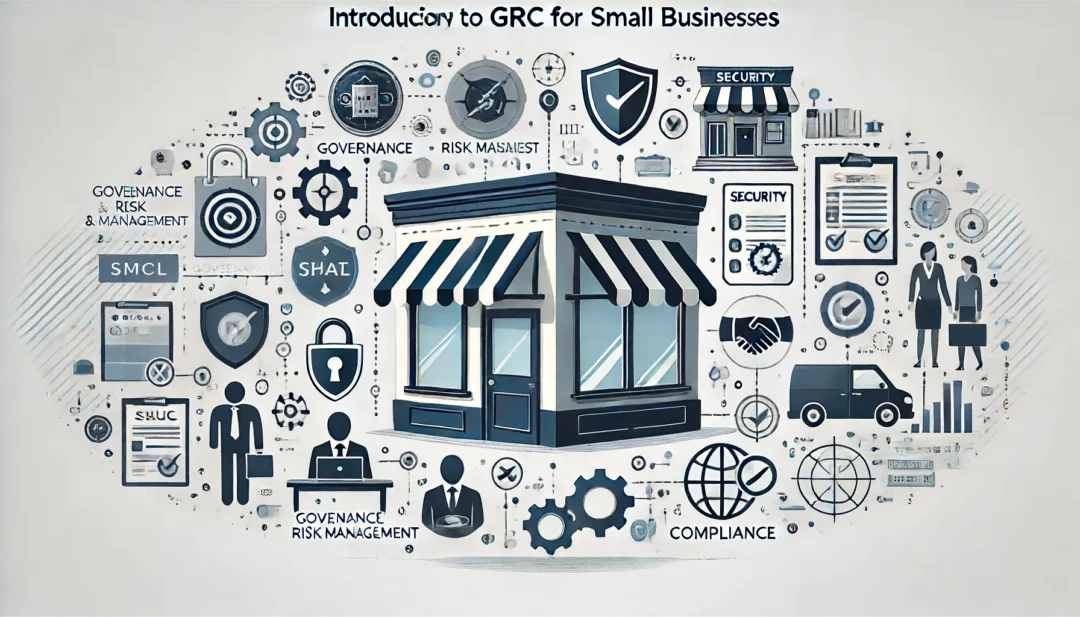
Introduction to GRC for Small Businesses

Mastering GRC: Empowering Small Businesses to Navigate Governance, Risk, and Compliance with Confidence

Introduction

In today’s rapidly evolving digital landscape, small businesses face unique challenges and risks that can significantly impact their operations and reputation. Governance, Risk Management, and Compliance (GRC) provide a structured approach to manage these challenges effectively. For small businesses, adopting frameworks like Cyber Essentials and Cyber Essentials Plus can be a game-changer. These certifications not only enhance security but also build trust with customers and protect the supply chain.

What is GRC?

Governance, Risk Management, and Compliance (GRC) is an integrated approach that ensures an organization meets its objectives, addresses uncertainties, and operates with integrity. Here’s a breakdown of each component:

  • Governance: Establishing policies and procedures that guide the organization’s strategic direction and operational activities.
  • Risk Management: Identifying, assessing, and mitigating risks to minimize potential negative impacts.
  • Compliance: Ensuring adherence to laws, regulations, and internal policies to avoid legal and financial penalties.

Importance of GRC for Small Businesses

Implementing a robust GRC framework is crucial for small businesses for several reasons:

  • Improved Decision-Making: With clear policies and risk assessments, businesses can make informed decisions that align with their goals.
  • Enhanced Operational Efficiency: Streamlined processes and proactive risk management improve overall efficiency.
  • Legal and Financial Protection: Compliance with regulations helps avoid costly fines and legal issues.
  • Building Trust and Reputation: Demonstrating commitment to governance and compliance builds trust with customers, partners, and investors.

Cyber Essentials and Cyber Essentials Plus

Cyber Essentials and Cyber Essentials Plus are UK government-backed certifications designed to help businesses protect themselves against common cyber threats. Here’s a brief overview:

  • Cyber Essentials: A self-assessment certification that helps businesses guard against the most common cyber threats and demonstrate their commitment to cybersecurity.
  • Cyber Essentials Plus: A higher level of certification that includes an independent assessment of the business’s security controls.

Benefits of Adopting Recognized Frameworks:

  • Protection Against Cyber Threats: Implementing these frameworks helps protect the company from the most common cyber attacks.
  • Customer Trust and Confidence: Certifications signal to customers that the business takes cybersecurity seriously.
  • Supply Chain Security: Protecting the supply chain by ensuring that all partners and vendors adhere to high security standards.

Cyber threats are a perpetual reality for business owners. Hackers are constantly innovating. They devise new ways to exploit vulnerabilities in computer systems and networks.

For businesses of all sizes, a proactive approach to cybersecurity is essential. One of the most crucial elements of this approach is regular vulnerability assessments. A vulnerability assessment is a systematic process. It identifies and prioritizes weaknesses in your IT infrastructure that attackers can exploit.

Some businesses may be tempted to forego vulnerability assessments. They might think it’s too costly or inconvenient. Small business leaders may also feel it’s just for the “big companies.” But vulnerability assessments are for everyone. No matter the company size. The risks associated with skipping them can be costly.

In 2023, there were over 29,000 new IT vulnerabilities discovered. That’s the highest count reported to date.

In this article, we explore the critical role of vulnerability assessments. As well as their benefits and how they help to maintain a robust cybersecurity posture. We’ll also look at the potential consequences of neglecting them.

Why Vulnerability Assessments Matter

The internet has become a minefield for businesses. Cybercriminals are constantly on the lookout for vulnerabilities to exploit. Once they do, they typically aim for one or more of the following:

  • Gain unauthorized access to sensitive data
  • Deploy ransomware attacks
  • Disrupt critical operations

Here’s why vulnerability assessments are crucial in this ever-evolving threat landscape:

  • Unseen Weaknesses: Many vulnerabilities remain hidden within complex IT environments. Regular assessments uncover these weaknesses before attackers can exploit them.
  • Evolving Threats: Experts discover new vulnerabilities all the time. Regular assessments ensure your systems are up to date. And that they’re protected from potential security gaps.
  • Compliance Requirements: Many industries have regulations mandating regular vulnerability assessments. This helps to ensure data security and privacy compliance.
  • Proactive Approach vs. Reactive Response: Identifying vulnerabilities proactively allows for timely remediation. This significantly reduces the risk of a costly security breach. A reactive approach is where you only address security issues after an attack. This can lead to significant financial losses and disruptions to your business.

The High Cost of Skipping Vulnerability Assessments

Some business owners might think vulnerability assessments seem like an unnecessary expense. But the cost of neglecting them can be far greater. Here are some potential consequences of skipping vulnerability assessments:

Data Breaches

Unidentified vulnerabilities leave your systems exposed. This makes them prime targets for cyberattacks. Just one breach can result in the theft of sensitive data and customer information.

Financial Losses

Data breaches can lead to hefty fines and legal repercussions. As well as the cost of data recovery and remediation. Business disruptions caused by cyberattacks can also result in lost revenue and productivity.

The current average cost of a data breach is $4.45 million. This represents an increase of 15% over the last three years. These costs continue to increase, making cybersecurity a necessity for ongoing business survival.

Reputational Damage

A security breach can severely damage your company’s reputation. It can erode customer trust and potentially impact future business prospects. Both B2B and B2C customers hesitate to do business with a company that has experienced a breach.

Loss of Competitive Advantage

Cyberattacks can cripple your ability to innovate and compete effectively. This can hinder your long-term growth aspirations. Rather than forward motion on innovation, your company is playing security catch-up.

The Benefits of Regular Vulnerability Assessments

Regular vulnerability assessments offer a multitude of benefits for your business:

  • Improved Security Posture: Vulnerability assessments identify and address vulnerabilities. This means you significantly reduce the attack surface for potential cyber threats.
  • Enhanced Compliance: Regular assessments help you stay compliant with relevant industry regulations. As well as data privacy laws your business is subject to.
  • Peace of Mind: Knowing your network is secure from vulnerabilities gives you peace of mind. It allows you to focus on core business operations.
  • Reduced Risk of Costly Breaches: Proactive vulnerability management helps prevent costly data breaches. As well as the associated financial repercussions.
  • Improved Decision-Making: Vulnerability assessments provide valuable insights into your security posture. This enables data-driven decisions about security investments and resource allocation.

The Vulnerability Assessment Process: What to Expect

A vulnerability assessment typically involves several key steps:

  1. Planning and Scoping: Define the scope of the assessment. This includes outlining what systems and applications are part of the evaluation.
  2. Discovery and Identification: Use specialized tools and techniques to scan your IT infrastructure. They will look for known vulnerabilities.
  3. Prioritization and Risk Assessment: Classify vulnerabilities based on severity and potential impact. Focus on critical vulnerabilities that need immediate remediation.
  4. Remediation and Reporting: Develop a plan to address identified vulnerabilities. This should include patching, configuration changes, and security updates. Generate a detailed report that outlines the vulnerabilities found. As well as their risk level, and remediation steps taken.

Investing in Security is Investing in Your Future

Vulnerability assessments are not a one-time fix. Your business should conduct them regularly to maintain a robust cybersecurity posture. By proactively identifying and addressing vulnerabilities, you can:

  • Significantly reduce your risk of cyberattacks
  • Protect sensitive data
  • Ensure business continuity

Remember, cybersecurity is an ongoing process. Vulnerability assessments are a vital tool in your security arsenal. Don’t gamble with your organization’s future. Invest in vulnerability assessments and safeguard your valuable assets.

Contact Us Today to Schedule a Vulnerability Assessment

When was the last time your business had any vulnerability testing? No matter your size, we can help. Our vulnerability assessment will look for any weaknesses in your infrastructure. Then, we take the next steps and provide you with actionable recommendations.

Contact us today to schedule a vulnerability assessment for better security.


Featured Image Credit

This Article has been Republished with Permission from .