How Microsoft is Redefining Digital Security

For decades, passwords have been both a necessity and a burden, we ask is it time for passwordless authentication?

They were meant to be the keys that kept our digital worlds secure, yet they have long been the weakest link in the security chain.

Who hasn’t struggled to remember a complex string of characters only to use the same password across multiple accounts?


Cybercriminals have exploited this flaw relentlessly, leading to data breaches, financial fraud, and the erosion of trust in online systems.

But what if passwords were no longer necessary? What if we could authenticate ourselves in a seamless and far more secure way?

Microsoft believes that the future is already here.

A World Without Passwords

The concept of a passwordless world may seem like science fiction, but it’s quickly becoming a reality. Microsoft has been laying the groundwork for years, developing authentication methods that don’t rely on easily compromised credentials. Now, the company is urging businesses and individuals to embrace a new era where security doesn’t come at the cost of convenience.

The shift away from passwords isn’t just a technological evolution; it’s a necessary response to a growing crisis. Statistics paint a bleak picture: 80% of hacking-related breaches are due to compromised credentials. Phishing attacks are more sophisticated than ever, and traditional password policies—requiring frequent changes, special characters, and unique strings—often lead users to create weak, easily guessed passwords instead.

The New Standard: Passwordless Authentication

So, how does a world without passwords work? Microsoft has introduced several technologies that make authentication both more secure and effortless:

  • Windows Hello – Biometric authentication using facial recognition or fingerprints to log in instantly.
  • Microsoft Authenticator – A mobile app that replaces passwords with secure push notifications.
  • FIDO2 Security Keys – Physical security keys that verify identity without a password.
  • Passkeys – A next-generation authentication method that eliminates the risk of phishing and credential theft.

Each of these technologies is built on the principle that authentication should be stronger and more straightforward. Instead of relying on something you know (a password), they use something you have (a device) or something you are (biometric data). The result? A significantly reduced attack surface for cybercriminals.

Why Businesses Must Take Note

For businesses, the transition to passwordless authentication isn’t just an opportunity—it’s an imperative. The financial and reputational costs of a data breach can be catastrophic, and weak password practices remain the single largest vulnerability. By adopting passwordless solutions, companies can:

  • Reduce security risks – Eliminating passwords removes a common attack vector for hackers.
  • Lower IT costs – Helpdesk requests for password resets are a drain on time and resources.
  • Enhance user experience – Employees and customers benefit from a smoother, frictionless authentication process.

In industries where compliance and security are paramount—such as finance, healthcare, and legal—passwordless authentication is not just a convenience; it’s a necessity. Organisations that fail to adapt risk being left behind in an increasingly hostile cybersecurity landscape.

How to Make the Transition

The good news is that Microsoft has made the transition to passwordless authentication more accessible than ever. Businesses can take the following steps to begin their journey:

  1. Enable Windows Hello for Business – Modern devices support biometric authentication, eliminating the need for passwords.

  2. Deploy Microsoft Authenticator – Employees can use push notifications for quick and secure sign-ins.

  3. Adopt FIDO2 Security Keys – USB or NFC-based security keys add an extra layer of protection.

  4. Implement Conditional Access Policies – Define security requirements to ensure only the right people can access critical systems.

For organisations already leveraging Microsoft 365 and Azure Active Directory, passwordless authentication is a natural progression towards a more secure infrastructure.

A Future Without Passwords

The days of remembering and resetting passwords are numbered. Microsoft’s push towards passwordless authentication signals a shift in how we approach digital security—prioritising ease of use and robust protection. The writing is on the wall: businesses that continue relying on traditional password-based security will fight a losing battle against cyber threats.

At Equate Group, we help businesses implement cutting-edge security solutions, including Microsoft’s passwordless technologies. If your organisation is ready to step into the future and leave passwords behind, now is the time to act.

The future of authentication is here. Are you ready to embrace it?
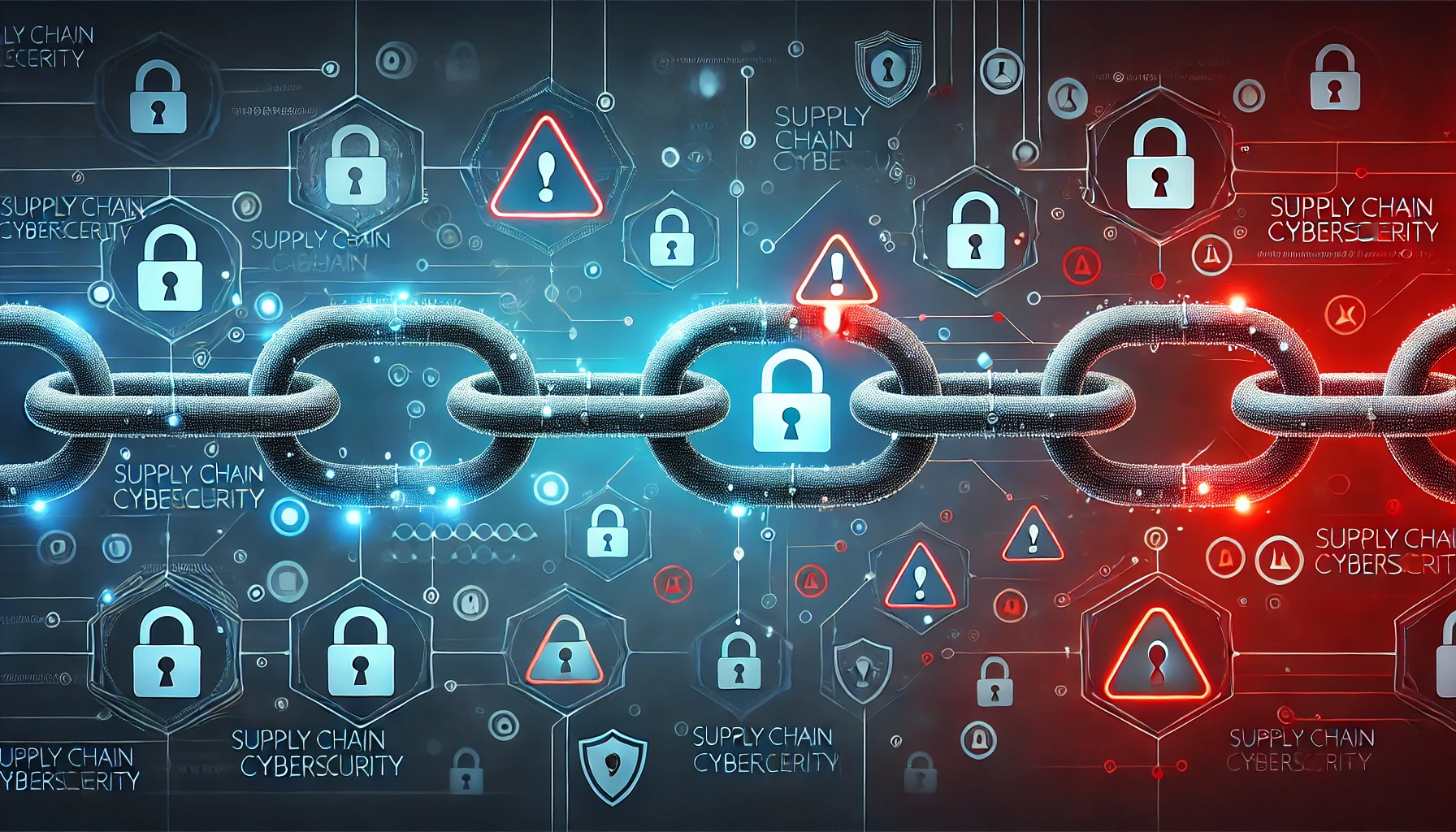
It seems like the cyber world never rests, and this time, it’s DHL—again. The logistics giant has had its fair share of cybersecurity challenges, but the recent cyber incident involving Microlise, a third-party telematics provider, has put DHL in a tough spot (Fleet News). If you’re in logistics or any industry relying on an intricate web of supply chains, this is your sign to take a good, hard look at your cybersecurity posture.

The Knock-On Effect: One Weak Link, Big Consequences

The attack on Microlise didn’t just affect their operations; it caused ripple effects that disrupted DHL’s ability to track fleets and manage logistics smoothly. It’s a textbook example of how dependent organisations are on their partners’ cybersecurity practices. Your supply chain is like a string of Christmas lights—if one bulb goes out, the rest might as well not exist.

But Wait, Didn’t DHL Just Have a Breach?

Yes, they did. Back in June 2023, DHL was hit by the MOVEit vulnerability, exploited by the Clop ransomware group, compromising personal data including payroll numbers and National Insurance details (Leigh Day). This serves as a reminder that attacks don’t just come in one flavour—they can strike directly or sneak in through third parties.

Compliance Isn’t Enough

Many organisations tout their compliance with standards as a badge of honour. Don’t get me wrong, it’s necessary, but in the same way that a seatbelt is necessary in a car crash—it helps, but it’s not the whole solution. This case demonstrates that even if your own cybersecurity is top-notch, you’re still exposed to risks from third parties. Compliance should be a starting point, not the final destination (ISACA).

Phishing and Human Error: The Classic Duo

It’s not always advanced exploits or elite hacking teams that get the job done; sometimes, it’s just Bob in Accounts who can’t resist clicking on “You’ve Won a Prize!”. DHL knows this better than most—back in 2021, they were the most impersonated brand in phishing scams, making up 23% of global phishing attempts (Check Point). Educating employees and fostering a culture of vigilance can’t be stressed enough (Verizon Data Breach Investigations Report).

The Path Forward: Lessons Learned

So, what’s the takeaway from all of this? First, partner vetting should be as thorough as the security checks at an international airport. If your partners can’t demonstrate a proactive, robust approach to cybersecurity, then it’s time to rethink that relationship. Implementing multifactor authentication that goes beyond SMS-based codes is crucial (NCSC). And don’t forget about continuous, engaging security training for your teams—because Bob from Accounts isn’t going anywhere.

Final Thoughts

The DHL incident is more than a cautionary tale; it’s a clarion call for businesses to revisit their supply chain security strategies. Ensuring the strength of your security measures and those of your partners can be the difference between a minor inconvenience and a major crisis. At (Equate Group), we help organisations build resilience across their entire supply chain, from partner assessments to comprehensive cybersecurity strategies. It’s not just about patching the holes; it’s about reinforcing the entire structure.

In today’s world, securing your supply chain isn’t just an IT task—it’s a business imperative. So, as we learn from DHL’s latest challenges, remember: when it comes to cybersecurity, you’re only as strong as your weakest link. And sometimes, that link isn’t even in your office; it’s halfway across the world, sipping a coffee next to a suspiciously outdated server.

Let’s face it: when it comes to new regulations, most small and micro business owners would rather watch paint dry than dive into another set of rules. But before you glaze over at the mention of the Cyber Security and Resilience Bill, let’s break it down into bite-sized chunks—no techno-jargon, just the essentials. You’ll thank me later when you’re not part of some terrifying hacking headline.

What Is the Cyber Security and Resilience Bill?

The UK’s Cyber Security and Resilience Bill is the latest government initiative to enhance cyber security standards across all industries. This new legislation aims to make businesses, including small and micro enterprises, more resilient against the increasing threats of cyber-attacks. The bill outlines clear guidelines and requirements that businesses must follow to protect themselves and their customers from potential cyber threats.

Why Should Small and Micro Businesses Care?

You might be thinking, “This is just another hoop for big corporations to jump through, right?” Wrong. The reality is that cyber criminals don’t discriminate based on business size. In fact, small businesses are often seen as low-hanging fruit because of their perceived weaker defences.

Ignoring the bill isn’t an option. Non-compliance could lead to not just a slap on the wrist, but potentially hefty fines, reputational damage, and, in worst-case scenarios, the end of your business. The bill also includes measures that might soon become the norm for doing business—so getting ahead of it could be a smart move for your small or micro business.

What Does the Cyber Security and Resilience Bill Require?

The Cyber Security and Resilience Bill mandates several critical requirements, but for small and micro businesses, here’s what you really need to know:

  1. Minimum Security Standards: The bill sets out basic security measures that every business must have in place. These aren’t wildly complex, but they’re essential—think secure passwords, regular software updates, and firewalls.
  2. Incident Reporting: If you suffer a cyber-attack, you’ll be required to report it to a national body. This not only helps the government understand the threat landscape better but also ensures you’re taking the necessary steps to recover and prevent future attacks.
  3. Supplier Security: If you work with third-party suppliers, you’ll need to ensure they’re up to scratch too. This means checking that they’re following good security practices. If they slip up, it could come back to haunt you.

Cyber Essentials: Your Starting Point for Compliance

If you’re wondering where to begin with all this, the government’s Cyber Essentials scheme is a great starting point. Think of Cyber Essentials as the training wheels for your cyber security journey. It’s a simple, cost-effective way to ensure your business is protected against the most common cyber threats.

Cyber Essentials covers the basics—like secure configurations, boundary firewalls, and user access controls—that the bill also pushes for. By achieving Cyber Essentials certification, you’re not just ticking a compliance box; you’re taking a significant step towards safeguarding your business. Plus, having that certification can be a real trust-booster when working with clients or partners who are concerned about security.

The Impact: Costs, Time, and Peace of Mind

Now, I’m not going to sugar-coat it—there will be costs involved in meeting these requirements. For a small or micro business, that might mean investing in new software, training staff, or even hiring a consultant to get your security where it needs to be.

Yes, it’s an upfront expense. But weigh that against the potential cost of a data breach: fines, lost customers, and the time it takes to rebuild trust. Suddenly, investing in cyber security doesn’t seem so bad.

Time is another factor. You’ll need to allocate some time to get your systems in order, especially if you’re starting from scratch. But here’s the silver lining: once you’ve got these measures in place, you’ll be more resilient, not just to cyber-attacks, but to any other business disruptions too. It’s about building a business that can weather storms—not just cyber ones, but the general chaos that seems to be part and parcel of running a business these days.

How Equate’s Experts Can Help

Feeling overwhelmed? You’re not alone. Navigating the complexities of cyber security under the new bill can feel like being lost in a maze. That’s where Equate’s experts come in.

At Equate, we understand the unique challenges that small and micro businesses face. Our team can guide you through the process of achieving Cyber Essentials certification, ensuring that your business meets the necessary standards without unnecessary hassle. We’ll help you implement the security measures required by the bill, so you can focus on what you do best—running your business.

What’s the Bottom Line?

The Cyber Security and Resilience Bill might feel like just another bureaucratic hurdle, but it’s more than that. It’s a wake-up call for small and micro businesses to take cyber security seriously. Compliance isn’t just about avoiding fines; it’s about protecting your livelihood.

So, let’s get ahead of the curve. Start small, maybe with a cyber security audit or a chat with an expert. Make a plan. Implement the basics. The bill is here to stay, and the businesses that embrace it will be the ones that not only survive but thrive in an increasingly digital world.

Remember, in the grand scheme of things, a little resilience goes a long way. And who knows? One day, you might even find yourself thankful for this bill that made your business stronger, safer, and ready for anything. And if you need a hand getting there, Equate’s got your back.

How Carpetright’s Cyber Breach Could Have Been Avoided: A Call to Action for Businesses

In today’s interconnected digital landscape, the threat of cyberattacks is no longer a distant possibility but an ever-present danger. The recent cyber breach at Carpetright, one of the UK’s leading flooring retailers, serves as a stark warning to businesses everywhere. This breach didn’t just disrupt operations—it exposed significant vulnerabilities that could have been mitigated with the right cybersecurity measures in place.

The Carpetright Cyber Breach: A Cautionary Tale

Carpetright’s cyber breach was not just an isolated incident; it was a loud wake-up call. The attack, which led to operational disruptions and potential data compromises, highlighted the critical need for robust cybersecurity frameworks. For businesses that may think, “It won’t happen to us,” the Carpetright breach is a clear message: It can, and it might.

But the real story here isn’t just about what happened to Carpetright. It’s about what could have been done to prevent it, and more importantly, what your business can do to ensure it doesn’t face a similar fate.

What Went Wrong: The Need for a Structured Cybersecurity Approach

The breach at Carpetright underscores the importance of adopting recognised cybersecurity frameworks such as Cyber Essentials and NIST (National Institute of Standards and Technology) Cybersecurity Framework. These frameworks provide a structured approach to cybersecurity, offering guidelines and best practices that can help businesses protect their digital assets and respond effectively to cyber threats.

Carpetright’s breach likely stemmed from vulnerabilities that could have been addressed by adhering to these frameworks. Both Cyber Essentials and NIST focus on key areas such as identifying risks, protecting systems, detecting threats, responding to incidents, and recovering from breaches. The absence of such structured approaches leaves businesses exposed, increasing the likelihood of successful attacks.

Cyber Essentials: A Basic Defence for UK Businesses

Cyber Essentials is a UK government-backed scheme designed to help organisations protect themselves against common cyber threats. It provides a clear set of guidelines that, when followed, can significantly reduce the risk of a breach.

If Carpetright had implemented the Cyber Essentials framework, it would have covered five critical areas:

  1. Firewalls: Ensuring that only safe traffic can access the network.
  2. Secure Configuration: Ensuring that systems are configured in the most secure way possible.
  3. User Access Control: Ensuring that only authorised users can access systems.
  4. Malware Protection: Ensuring that anti-virus and anti-malware solutions are in place.
  5. Patch Management: Ensuring that software is kept up-to-date with the latest security patches.

These basic yet essential practices could have been the first line of defence against the breach. For any business, adopting Cyber Essentials is not just about compliance; it’s about building a foundation of security that protects both the company and its customers.

NIST Cybersecurity Framework: Building a Robust Cybersecurity Posture

The NIST Cybersecurity Framework, developed in the United States but adopted globally, offers a more comprehensive approach to cybersecurity. It goes beyond the basics, providing a flexible framework that helps organisations of all sizes manage and reduce cybersecurity risk.

The NIST framework focuses on five core functions:

  1. Identify: Understanding and managing cybersecurity risks to systems, assets, data, and capabilities.
  2. Protect: Developing and implementing appropriate safeguards to ensure delivery of critical services.
  3. Detect: Developing and implementing activities to identify the occurrence of a cybersecurity event.
  4. Respond: Developing and implementing activities to take action regarding a detected cybersecurity event.
  5. Recover: Developing and implementing activities to maintain resilience and restore capabilities impaired during a cybersecurity event.

Had Carpetright incorporated the NIST framework, it could have had the systems in place to not only prevent the breach but also to detect it quickly, respond effectively, and recover with minimal disruption.

The Domino Effect of Cyber Incidents

One of the most concerning aspects of the Carpetright breach was the domino effect it had on the company’s operations. The breach didn’t just compromise data; it brought business to a standstill. When IT systems are compromised, the consequences extend far beyond the immediate financial loss. Customer service, supply chain management, and even basic business functions can grind to a halt. The result? Lost revenue, eroded customer trust, and a tarnished brand reputation.

For any business, this should be a wake-up call. The digital age has brought countless opportunities, but it has also introduced new risks. To thrive in this environment, businesses must prioritise cybersecurity as a critical component of their overall strategy.

The Financial and Reputational Toll: Can Your Business Afford It?

The financial impact of a cyber breach can be staggering. Carpetright undoubtedly faced hefty costs associated with managing the breach—hiring cybersecurity experts, restoring systems, and communicating with affected customers. But the long-term financial implications could be even more damaging.

A breach can lead to lost sales, fines for non-compliance with data protection regulations, and the ongoing cost of improving cybersecurity measures. Then there’s the reputational damage. In a competitive market, where customer trust is paramount, a breach can be a death blow to a brand.

For your business, the question is clear: Can you afford the financial and reputational damage of a cyber breach? And more importantly, are you willing to take that risk?

A Better Approach: Proactive Cyber Resilience with Equate Group

The Carpetright breach teaches us one crucial lesson: cyber resilience is not optional—it’s essential. Cyber resilience is about more than just having a strong defence; it’s about being able to respond to and recover from cyber incidents quickly and effectively. And this is where Equate Group can make a difference.

Why Cyber Essentials and NIST Are Your Best Defence

At Equate Group, we understand the complexities of cybersecurity and the importance of adopting proven frameworks like Cyber Essentials and NIST. These frameworks are not just about ticking boxes—they are about creating a security posture that is proactive, comprehensive, and resilient.

By partnering with Equate Group, you can ensure that your business not only meets the requirements of these frameworks but also leverages them to build a stronger, more secure future. We specialise in helping businesses implement these frameworks in a way that aligns with their unique needs and challenges.

Why Wait? Take Action Now

The consequences of the Carpetright breach are clear: no business is immune, and the cost of inaction can be devastating. But the good news is, you don’t have to face these challenges alone. By partnering with Equate Group, you can ensure that your business is not only protected but resilient—ready to face any threat that comes your way.

Don’t wait for a breach to occur. Take proactive steps now to safeguard your business, protect your customers, and preserve your reputation. Contact Equate Group today and discover how we can help you build a stronger, more resilient future.

Conclusion: A Call to Action

The Carpetright cyber breach serves as a stark reminder of the importance of cybersecurity in today’s business environment. It highlights the need for proactive measures, robust defences, and effective incident response plans. But most importantly, it underscores the importance of having the right partner by your side.

At Equate Group, we are committed to helping businesses navigate the complexities of cybersecurity. We believe that every business deserves the peace of mind that comes with knowing they are protected. So why wait? Reach out to Equate Group today and take the first step towards securing your business’s future.

In the ever-evolving world of cybersecurity, inaction is the greatest risk. Let Equate Group be your safeguard against the unknown. Contact us now, and let’s build a future where your business can thrive without fear.

We’ve got you covered! At Equate Group Ltd., we’ve taken proactive measures to ensure all our customers are prepared for the new DMARC requirements set by Google and Yahoo. Here’s a TLDR rundown of what we’ve done and what you need to do:

What We’ve Done

  1. Deployed Valimail:
    • We have implemented Valimail for all our customers to manage DMARC compliance seamlessly.
  2. Configured SPF and DKIM:
    • Ensured all customer domains have proper SPF (Sender Policy Framework) and DKIM (DomainKeys Identified Mail) records.
  3. Published DMARC Policies:
    • Established a minimum “p=none” DMARC policy in your DNS records to monitor email activity.
  4. Ongoing Monitoring:
    • Set up continuous monitoring and reporting to identify any unauthorized use of your domain.

What We Need from You

  1. Identify External Services:
    • Inform us about any third-party services (like MailChimp, Mailgun/Sinch, SendGrid, etc.) that send emails on behalf of your domain. This allows us to whitelist them properly.
  2. Maintain Email Hygiene:
    • Ensure low spam rates and include one-click unsubscribe options in all marketing emails by June 2024.

Why This Matters

Google and Yahoo’s New Rules

Starting February 2024, email senders need to adhere to the following:

  1. Authenticate Your Emails:
    • Use SPF and DKIM to authenticate your emails, ensuring they are legitimate and not spoofed.
  2. Publish a DMARC Policy:
    • Have at least a “p=none” policy in your DNS records to monitor email activities.
  3. Maintain Low Spam Rates:
    • Keep your spam complaint rate below 0.3% to avoid being flagged and having emails rejected.
  4. PTR Records:
    • Ensure your sending IPs have proper forward and reverse DNS records to verify legitimacy.
  5. One-Click Unsubscribe:
    • By June 2024, all marketing emails must include a one-click unsubscribe feature that honors requests within two days.

Benefits of Compliance

  1. Better Deliverability:
    • Authenticated emails have a higher chance of landing in the inbox rather than the spam folder.
  2. Enhanced Security:
    • DMARC helps prevent phishing and spoofing, making your emails more trustworthy.
  3. Insightful Reporting:
    • DMARC reports provide feedback on your email traffic, helping you quickly identify and address unauthorized use of your domain.

In conclusion, with Valimail already in place for our customers, you’re set to navigate these new requirements effortlessly. By ensuring all external email services are properly whitelisted and maintaining compliance, we can ensure that your email campaigns remain effective and secure. So, roll up your sleeves, check your DNS records, and make sure you’re ready for February 2024. Your emails, and your recipients, will thank you.

Don’t Leave Your Data in the Hands of an MSP Without a Plan!

It’s time to face the facts, cyber attacks are on the rise, and your data is more vulnerable than ever. With this in mind, it’s critical to choose an MSP that takes cybersecurity seriously. But how can you be sure that your MSP is up to the task? The answer is simple: check for Cyber Essentials certification!

Cyber Essentials is a UK government-backed certification that demonstrates a commitment to cybersecurity. It’s the bare minimum that an MSP should have, and yet a recent study showed that only a small percentage of MSPs in the UK have it. Don’t take any chances with your data, make sure your MSP is Cyber Essentials certified.

Think of it this way, would you trust a doctor who didn’t have their medical license? Of course not! So, why trust an MSP with your sensitive data without the necessary security certifications?

In short, make sure your MSP is taking their responsibility seriously. Choose an MSP with Cyber Essentials certification and rest assured that your data is in good hands.

Don’t Make Excuses! This is why Small UK Businesses Should Get Cyber Essentials Certified

As a small business owner in the UK, you’re probably aware of the increasing risk of cyber attacks. However, you may also have some concerns and objections about getting Cyber Essentials certified. It’s understandable that you may have some reservations, but it’s important to consider the many benefits that certification can bring to your business. In this blog post, we’ll counter some of the common excuses small UK businesses may have against getting Cyber Essentials certified, and highlight the benefits of doing so.

EXCUSE 1: “I don’t have the budget for it.”

One of the most common objections small businesses have about getting Cyber Essentials certified is that it’s expensive. However, this is not the case. The certification process is relatively affordable and cost-effective when compared to the potential cost of a cyber attack. In fact, according to the UK government’s Cyber Security Breaches Survey, the average cost of a cyber attack to a small business is £3,000. Implementing the controls outlined in the Cyber Essentials scheme can help to prevent such attacks, saving your business money in the long run.

EXCUSE 2: “I don’t have the time for it.”

Another common objection small businesses have is that the certification process is time-consuming. While it’s true that the process does require some effort, it’s not as onerous as you might think. A reputable and experienced provider like Equate Group can help you navigate the process of implementing Cyber Essentials, making it as smooth and efficient as possible. Furthermore, the certification process is a one-time effort that will provide ongoing protection for your business.

EXCUSE 3: “I don’t think my business is at risk.”

Some small business owners believe that their business is too small to be targeted by cybercriminals. However, this is not the case. Small businesses are a prime target for cyber attacks, as they often have fewer resources and less robust security systems in place than larger companies. Implementing the controls outlined in the Cyber Essentials scheme can help to protect your business from a wide range of common cyber threats, regardless of its size.

EXCUSE 4: “I don’t know where to start.”

Finally, some small business owners may feel overwhelmed by the prospect of getting Cyber Essentials certified, as they don’t know where to start. However, this doesn’t have to be the case. A reputable and experienced provider like Equate Group can help you navigate the process of implementing Cyber Essentials and achieving certification, from assessing your current security posture to providing ongoing support and maintenance.

Getting Cyber Essentials certified must be an essential step that any small business in the UK should take to protect themselves from cyber threats. The benefits of certification are numerous, including protecting against common cyber threats, demonstrating a commitment to cyber security, improving reputation, and increasing chances of winning contracts. With the help of a reputable and experienced provider like Equate Group, small businesses can navigate the process of implementing Cyber Essentials with ease, and achieve certification that will provide ongoing protection for their business.

10 reasons why all UK SMBs should be Cyber Essentials certified.

Small businesses in the UK are facing an increased risk of falling victim to cyber-attacks. As a result, it’s more important than ever for small businesses to take cybersecurity seriously. One effective solution is the UK government-backed scheme, Cyber Essentials. It is designed to be easy to implement and provides a set of basic but essential controls to help small businesses protect themselves against common cyber threats. By getting Cyber Essentials certified, small businesses can significantly reduce their risk of falling victim to cyber-attacks, and also gain other benefits that can help with the growth and continuity of their business.

Here are ten reasons why your UK business should get Cyber Essentials certified:

  1. Protects against common cyber threats: As the name suggests, Cyber Essentials provide a set of basic but essential controls that help protect against common cyber threats. This includes security measures for firewalls, internet gateways, access control, malware protection, and patch management.
  2. Cost-effective solution: Implementing cyber essentials is a cost-effective solution for small businesses to reduce their risk of falling victim to cyber-attacks significantly.
  3. Demonstrates commitment to cybersecurity: By getting cyber essentials certified, businesses can demonstrate to their customers, partners, and suppliers that they take cybersecurity seriously.
  4. Increases chances of winning contracts: Many large companies now require their suppliers to be cyber essentials certified, so having cyber essentials certification can increase a business’s chances of being selected as a supplier.
  5. Improves reputation: Cyber essentials certification can improve a business’s reputation by showing that they are committed to protecting its customers’ data and information.
  6. Provides peace of mind: Cyber Essentials can provide peace of mind for business owners, knowing they have taken steps to protect themselves from cyber threats.
  7. Provides a competitive edge: By being cyber essentials certified, a business can gain a competitive edge in the marketplace by showing that they take cybersecurity seriously.
  8. Increases credibility: Cyber Essentials certification demonstrates to customers, partners, and suppliers that a business is credible and trustworthy.
  9. Meets regulatory requirements: Cyber Essentials certification can help businesses meet regulatory requirements, such as the General Data Protection Regulation (GDPR).
  10. Easily Implemented: Cyber Essentials are easy to implement, so small businesses can quickly and efficiently take steps to protect themselves from cyber threats.

In conclusion, implementing cyber essentials is a vital step that small businesses in the UK should take to protect themselves from cyber threats. The benefits of getting cyber essentials certified are numerous, including protecting against common cyber threats, demonstrating a commitment to cyber security, improving reputation, increasing chances of winning contracts and being easily implementable.

Achieving cyber essentials certification can be challenging for small businesses due to their limited resources and expertise. However, with the help of a reputable and experienced provider like Equate Group, small businesses can easily navigate the process of implementing cyber essentials.

Equate Group’s team of experts can help with everything from assessing a business’s current security posture to implementing the necessary controls and achieving certification.

If you are a small business owner looking to protect your business from cyber threats and gain a competitive edge in the marketplace, don’t hesitate to contact Equate Group to help achieve cyber essentials certification.

The Importance of Cyber Essentials for Small Businesses: A Look at the Statistics
loudspeaker icon

Cybersecurity is a critical concern for small businesses in the United Kingdom. With over 5.7 million small and medium-sized enterprises (SMEs) operating in the country, these businesses play a vital role in the economy. Unfortunately, small businesses are at a higher risk of falling victim to cyber-attacks. In fact, according to the UK government’s Cyber Security Breaches Survey, an alarming 43% of cyber-attacks target small businesses.

One of the reasons for this increased risk is that small businesses often need more resources and more robust security systems compared to larger companies. This makes them an attractive target for cybercriminals, who can exploit vulnerabilities in their systems to gain access to sensitive data or disrupt operations. The solution to this problem is cyber essential. This UK government-backed scheme provides a set of basic but essential controls to help small businesses protect themselves against common cyber threats.

The National Cyber Security Centre (NCSC) oversees the implementation of cyber essentials, which covers five key areas: boundary firewalls and internet gateways, secure configuration, access control, malware protection, and patch management. By implementing cyber essentials, small businesses can significantly reduce their risk of falling victim to cyber-attacks by up to 80%. Additionally, compliance with cyber essentials can provide small businesses with a competitive edge in the marketplace, as many large companies now require their suppliers to be Cyber Essentials certified as a minimum requirement for doing business with them.

Cyber essentials certification is crucial not only for the protection of small businesses but also the growth and continuity of their business. By implementing cyber essentials, small businesses can demonstrate that they take cyber security seriously, which is essential in today’s digital age.

In addition to protecting small businesses from cyber threats, cyber essentials can also have other benefits. For example, by implementing cyber essentials, small businesses can increase their chances of being selected as suppliers for larger companies.

It’s more important than ever for small businesses in the UK to take cybersecurity seriously. The cyber threat landscape is constantly evolving, and small businesses need to stay ahead of the curve by implementing cyber essentials. By taking this crucial step, small businesses can secure the growth and continuity of their business, as well as protect themselves from common cyber threats.